Grand Mercure Hanoi - Upscale hotels & resorts
- Explore Hanoi Through 10 Traditional Craft Villages
Grand Mercure Hanoi
Languages en
en
en
- English
- Tiếng Việt
- See this hotel on all.accor.com or brand website in other languages :
Explore Hanoi Through 10 Traditional Craft Villages
Hanoi captivates visitors not only with its historic Old Quarter, time-honored architecture and distinctive cuisine, but also with traditional craft villages that have preserved their heritage for centuries. From the exquisite ceramics shaped by artisans in Bat Trang to the delicate silk woven on the looms of Van Phuc, each village carries a unique part of the cultural identity of Thang Long – Hanoi.
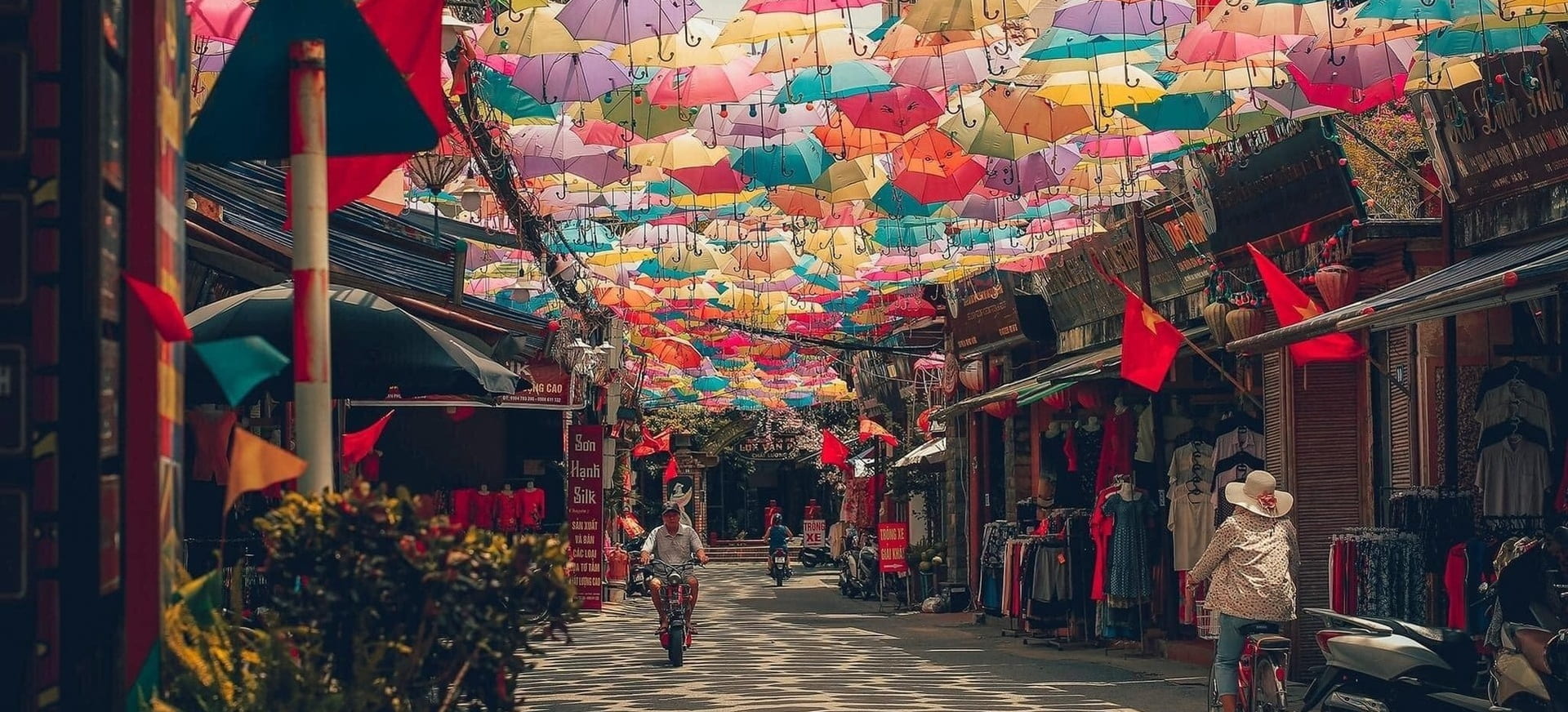
source: vinwonders
From Grand Mercure Hanoi, guests can begin their journey at traditional villages located close to the city center, such as Ngu Xa and Vong Village, before venturing further to Van Phuc, Bat Trang and the surrounding countryside, where generations of artisans continue to preserve long-established craftsmanship. Discover 10 of Hanoi’s most remarkable traditional craft villages, uncover the stories behind their crafts and experience a side of the capital shaped by values passed down through generations.
1. Ngu Xa Bronze Casting Village
Nestled beside Truc Bach Lake, Ngu Xa is one of Hanoi’s oldest craft villages, closely connected with the history of ancient Thang Long and renowned for a bronze-casting tradition spanning more than 500 years.

source: visitbadinh.com.vn
In the skilled hands of local artisans, bronze is transformed into intricate Buddha statues, bells, incense burners and ceremonial objects. One of the village’s most remarkable masterpieces is the Amitabha Buddha statue at Than Quang Pagoda. Today, traces of this centuries-old craft remain an important part of Ngu Xa’s cultural landscape, offering visitors a glimpse into the sophisticated craftsmanship of historic Hanoi.

source: vtv
Address: Ba Dinh Ward, Hanoi
2. Vong Village – Traditional Green Rice Flakes
Located only around 5–6 km from Grand Mercure Hanoi, Vong Village has long been known as one of the places preserving Hanoi’s distinctive culinary traditions. Made from young glutinous rice, com requires a meticulous process of roasting, pounding and winnowing before the grains acquire their characteristic soft texture, gentle fragrance and delicate green color. From a humble countryside delicacy, Com Vong has become an enduring symbol of Hanoi each autumn, closely associated with the memories and culinary culture of the capital. Its cultural significance was further recognized in 2024, when the production of Vong Village green rice flakes was officially designated a Traditional Craft of Hanoi.
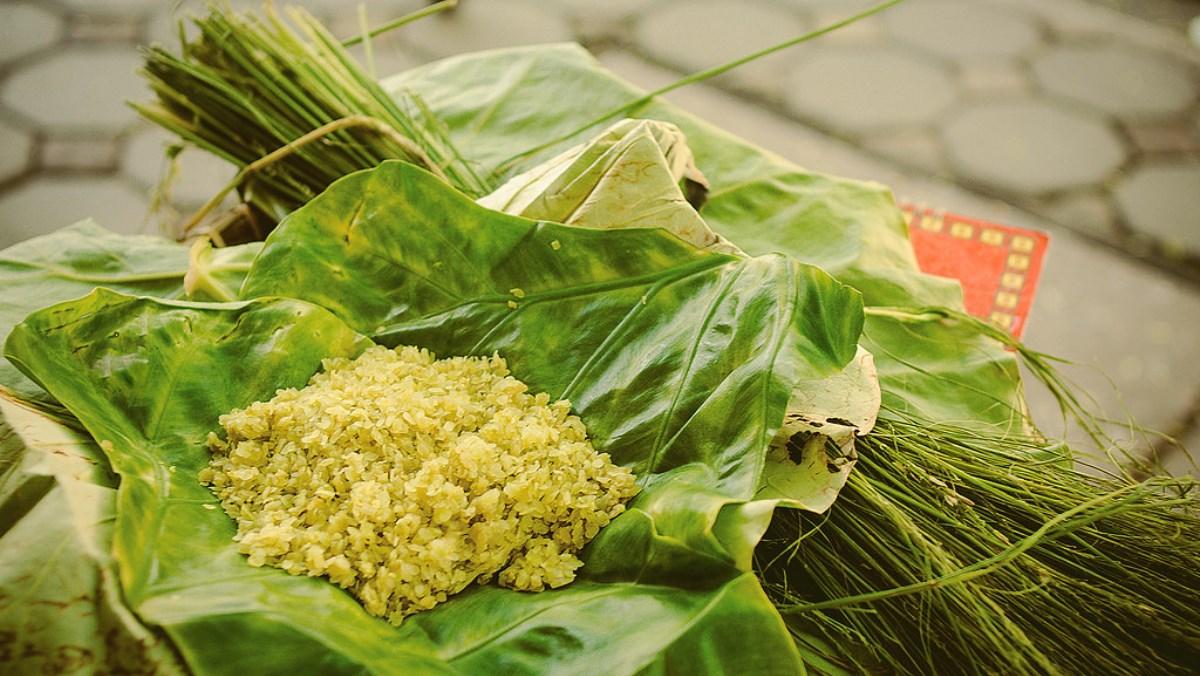
source: dienmayxanh.com
Address: Dich Vong Hau Ward, Cau Giay District, Hanoi
3. Van Phuc Silk Village
About a 20–25-minute drive from Grand Mercure Hanoi lies Van Phuc, where the rhythmic sound of weaving looms has been part of everyday life for more than a thousand years. As one of Hanoi’s oldest traditional craft villages, Van Phuc is celebrated not only for its soft, lightweight silk and elegant patterns, but also for generations of artisans who have carefully passed down their weaving techniques over the centuries.
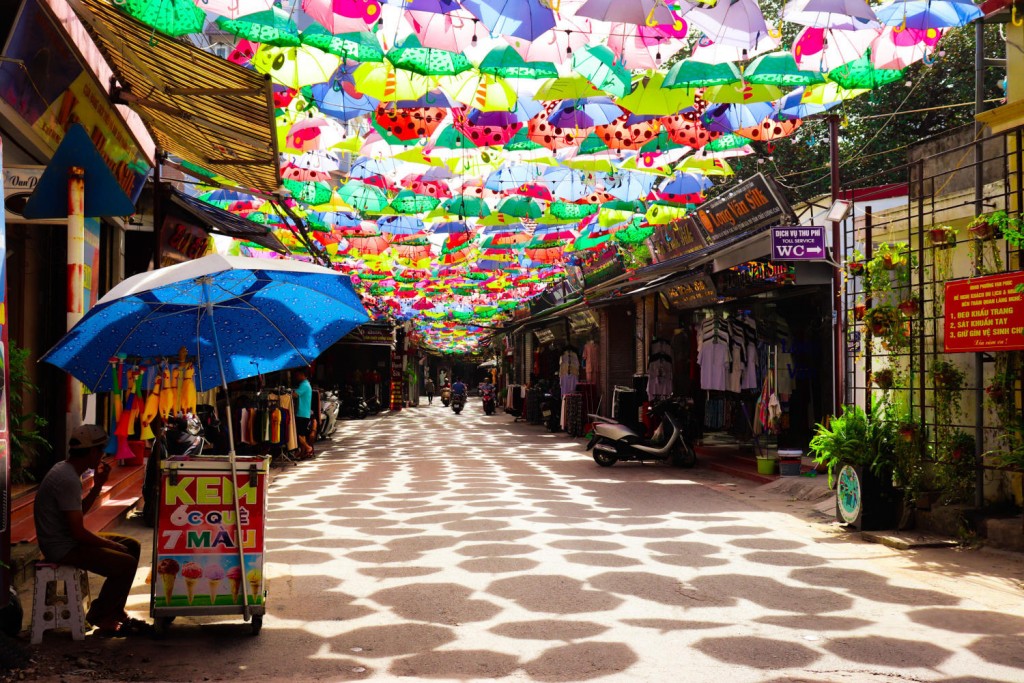
source: mekongasean.vn
Today, amid bustling silk shops and lively streets, visitors can still discover traces of an ancient craft village gradually evolving alongside modern Hanoi. In recognition of its enduring cultural heritage, Van Phuc silk weaving has been included in Vietnam’s National Intangible Cultural Heritage List, while the village became a member of the World Crafts Council network in 2024.
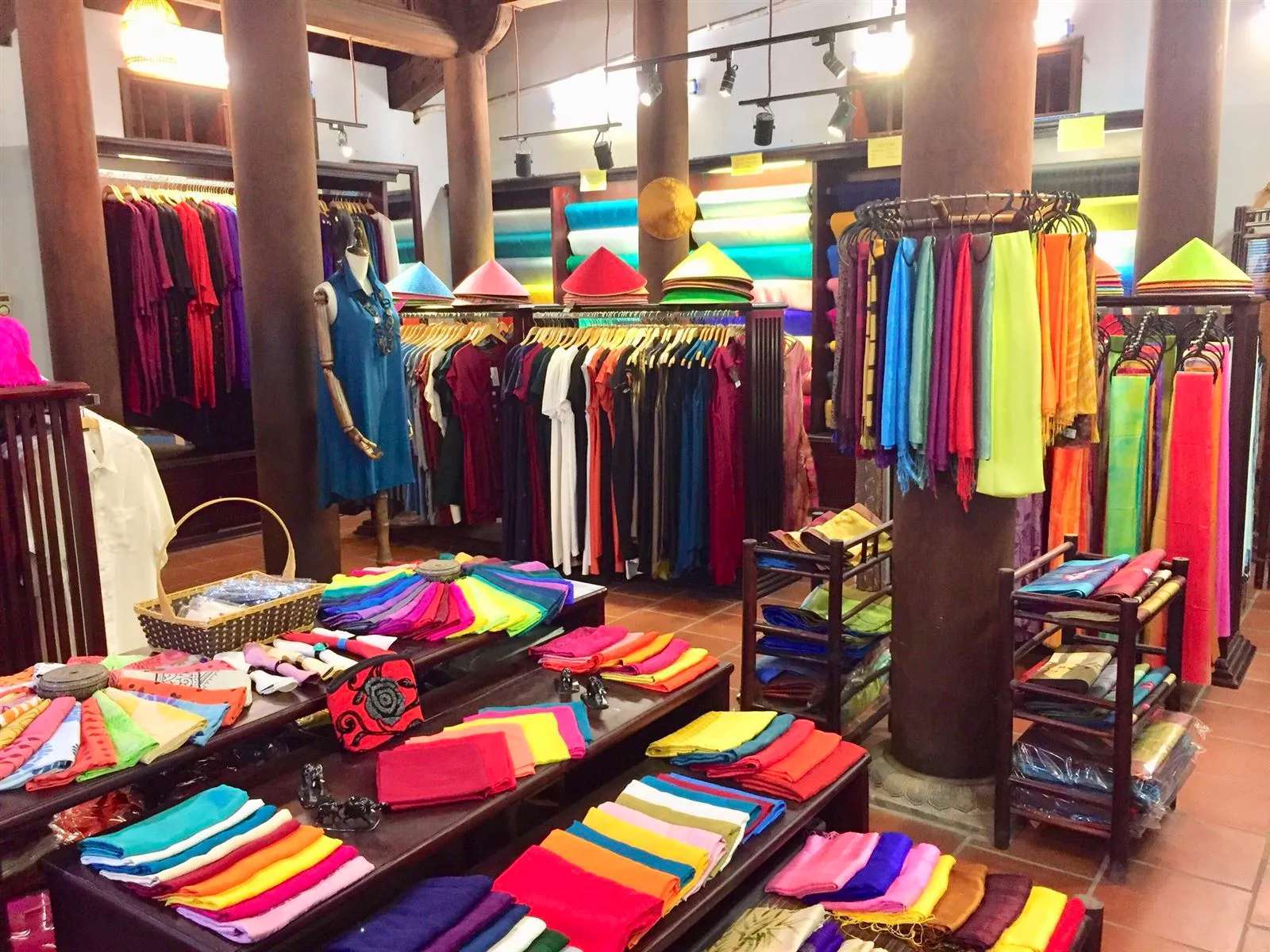
source: traveloka
Address: Van Phuc Ward, Ha Dong, Hanoi
4. Bat Trang Ceramic Village
If one craft village could be considered a symbol of Hanoi’s traditional craftsmanship, Bat Trang would undoubtedly be among the first names to come to mind. Over more than 700 years, generations of artisans have developed distinctive ceramic traditions featuring celebrated glazes and styles such as celadon, brown glaze, blue-and-white ceramics and crackle glaze, taking the reputation of Bat Trang far beyond the boundaries of a traditional village.
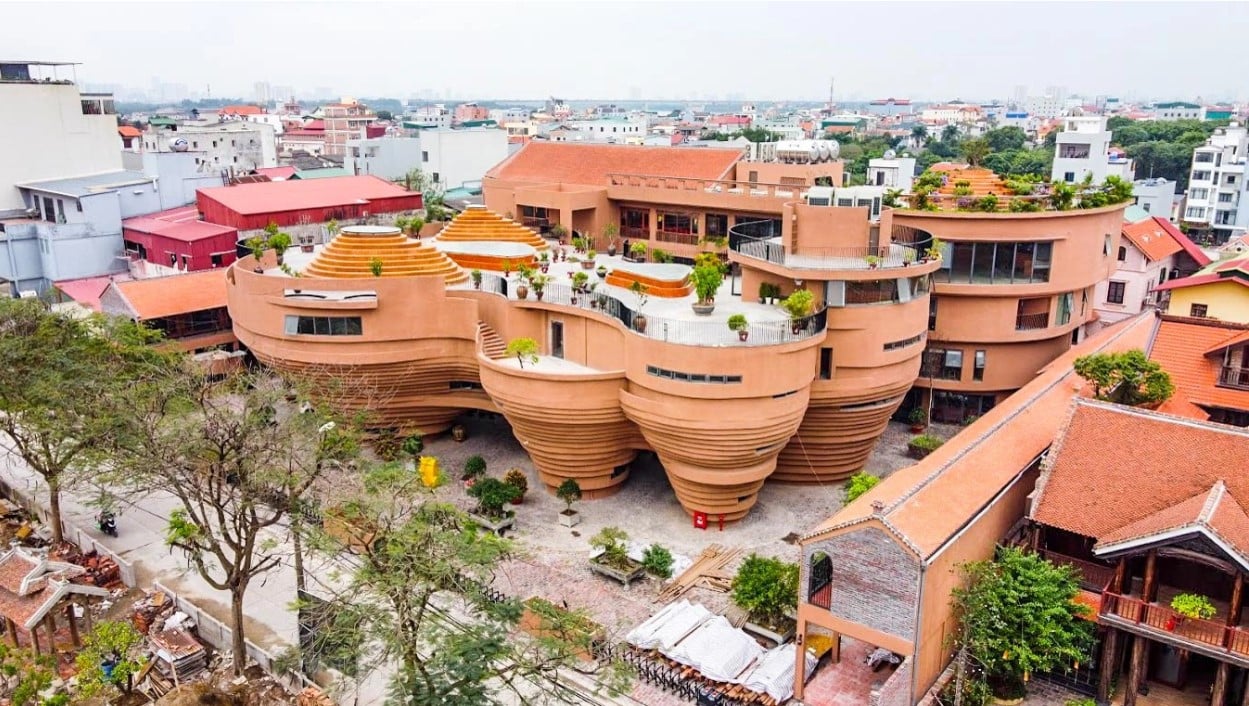
source: vinpearl
A visit to Bat Trang is not simply an opportunity to admire beautiful ceramics. Guests can watch artisans at work, explore the village and even create their own pottery by hand.
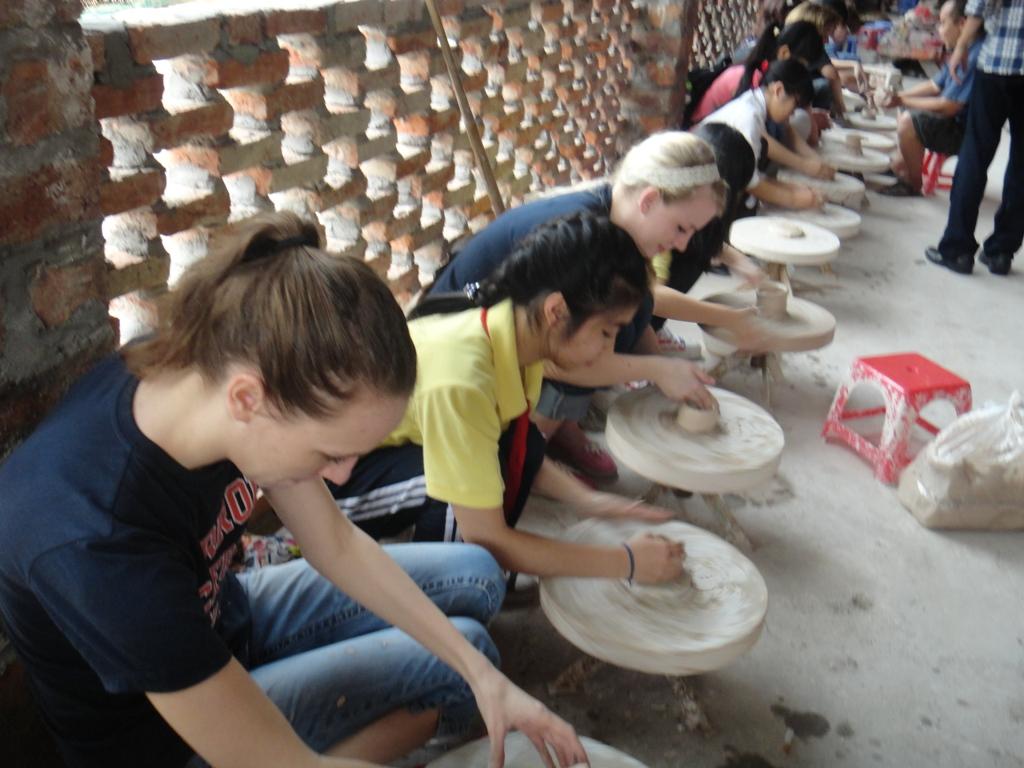
source: divui
In 2024, Bat Trang further strengthened its international standing by joining the World Crafts Council network, marking another milestone in its journey to preserve Vietnamese ceramic heritage and introduce it to a wider global audience.
Address: Bat Trang Commune, Gia Lam District, Hanoi
5. Son Dong Woodcarving Village
Around 15–17 km from central Hanoi, Son Dong reveals a very different world, where rough blocks of timber gradually take shape as statues, ceremonial objects, horizontal lacquered boards and traditional couplets under the hands of skilled craftsmen. From shaping and carving to lacquering and gilding, each stage requires not only precision but also patience, dedication and a deep understanding of Vietnamese artistic and cultural traditions. The craft continues to be passed down today, and in May 2026, Son Dong officially became a member of the World Crafts Council, marking an important new milestone for this long-established village.
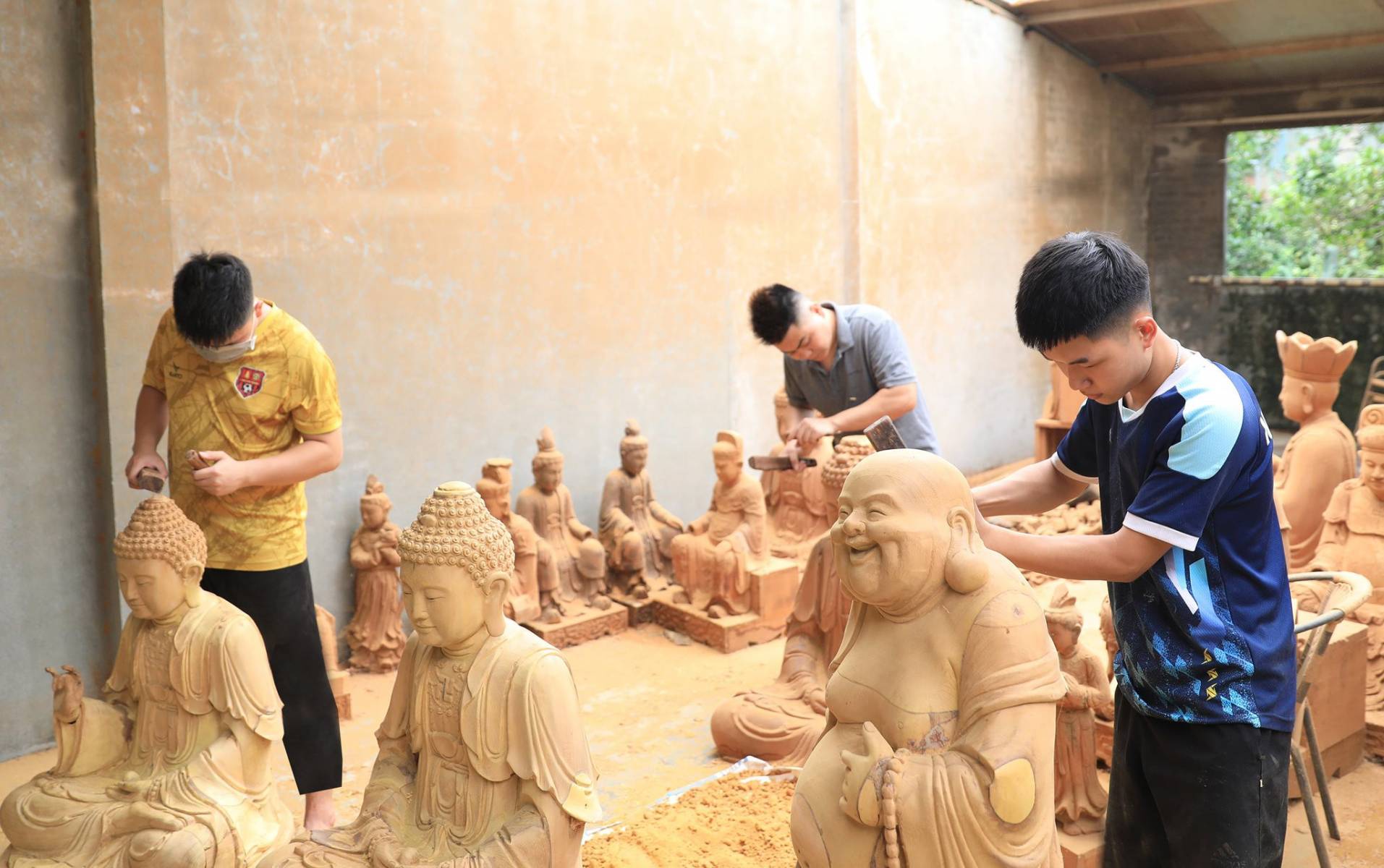
source: hanoimoi.vn
Address: Son Dong Commune, Hoai Duc District, Hanoi
6. Ha Thai Lacquer Village
The beauty of Ha Thai lacquerware lies not only in its lustrous colors, but also in the meticulous craftsmanship hidden behind every finished piece. From preparing the base and applying multiple layers of lacquer to decorating, polishing and burnishing, artisans patiently complete each stage until the colors and patterns gradually reveal their characteristic depth and brilliance. The lacquer craft in Ha Thai has existed for more than 200 years, originating from traditional decorative lacquer techniques before developing into the sophisticated art of lacquerware seen today. Alongside preserving time-honored methods, contemporary artisans continue to experiment with new styles, allowing Ha Thai lacquer to connect with younger generations and remain relevant in modern life.
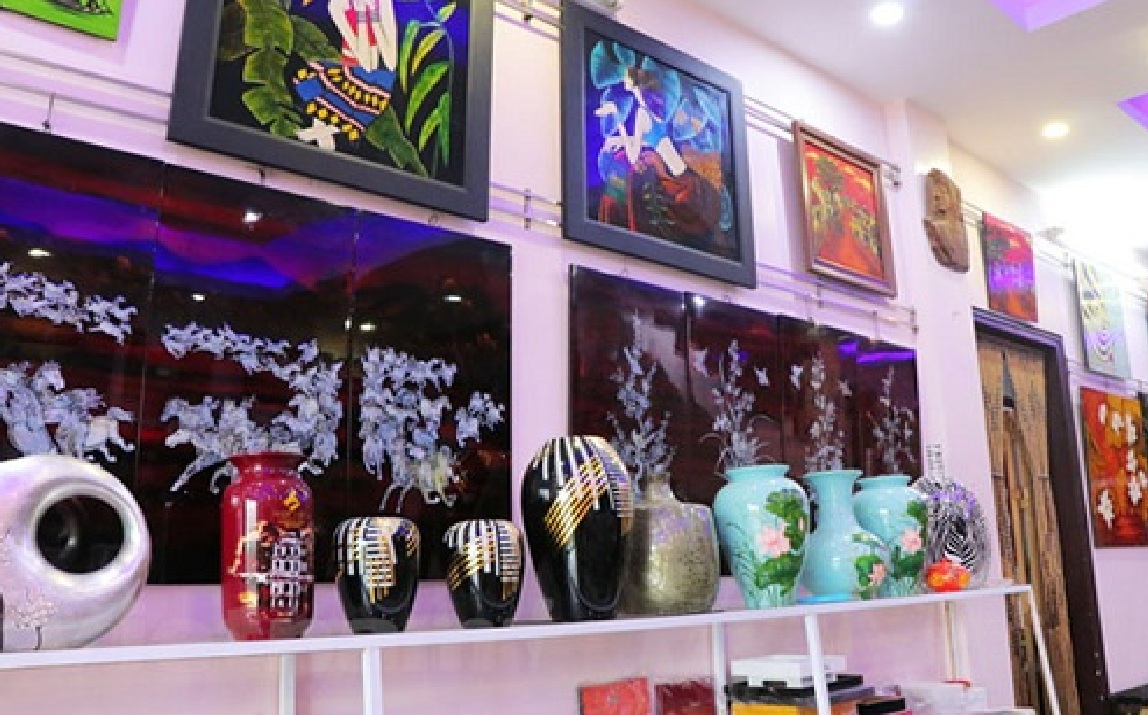
source: vivina.net
Address: Duyen Thai Commune, Thuong Tin District, Hanoi
7. Dao Thuc Water Puppetry Village
While many of Hanoi’s traditional villages preserve their heritage through handcrafted objects, Dao Thuc tells its stories through movement, music and puppets gliding across the surface of the water, brought to life by the skillful hands of local performers.
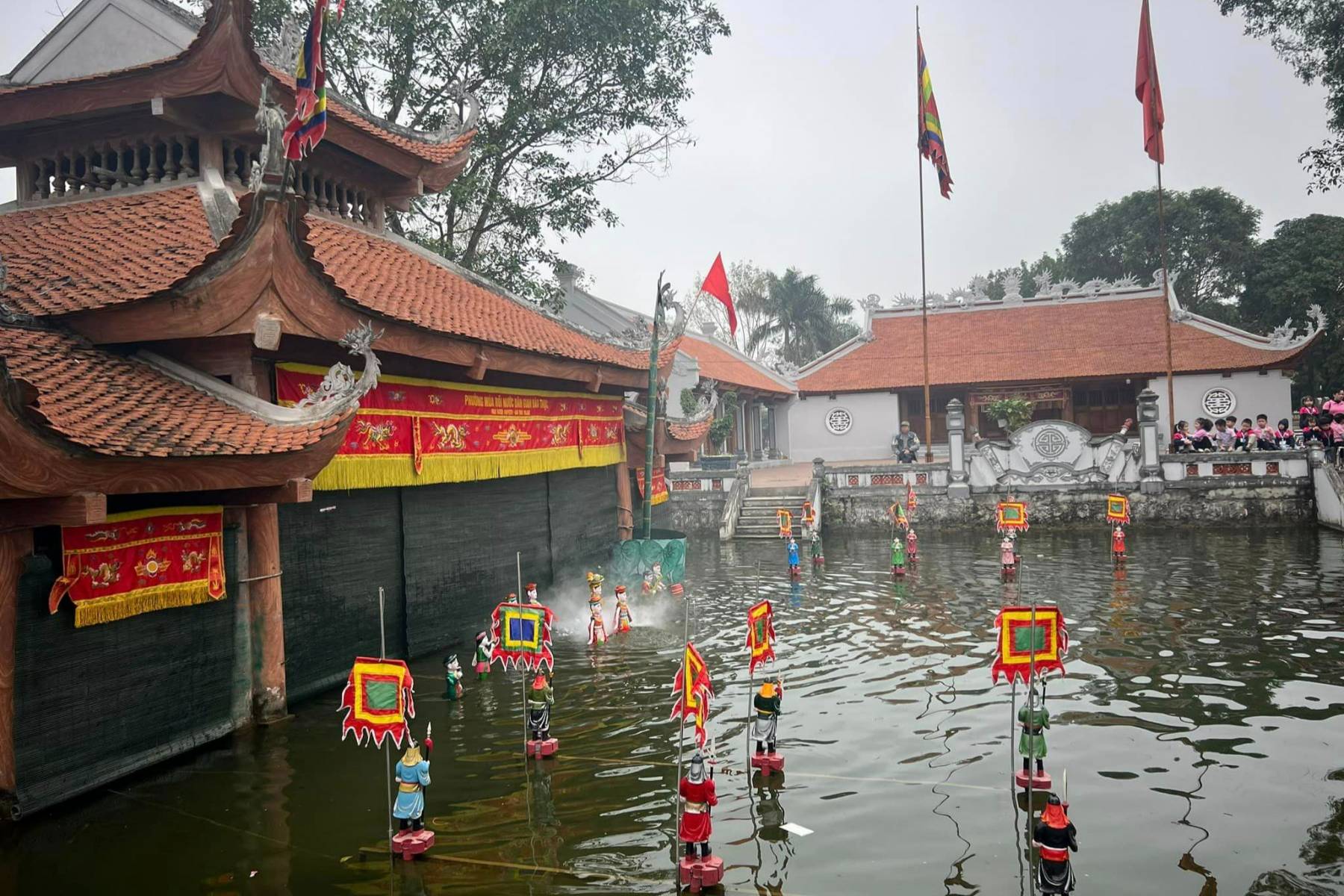
source: baophapluat.vn
Dating back more than 300 years to the Later Le dynasty, Dao Thuc water puppetry has been passed down through generations and now preserves more than 30 traditional performances depicting the everyday work, customs and folk culture of Vietnamese people. Visitors can enjoy a performance at the village’s traditional water pavilion while also discovering how the puppets are made and operated behind the scenes. This remarkable living tradition has made Dao Thuc an important cultural highlight of the area.
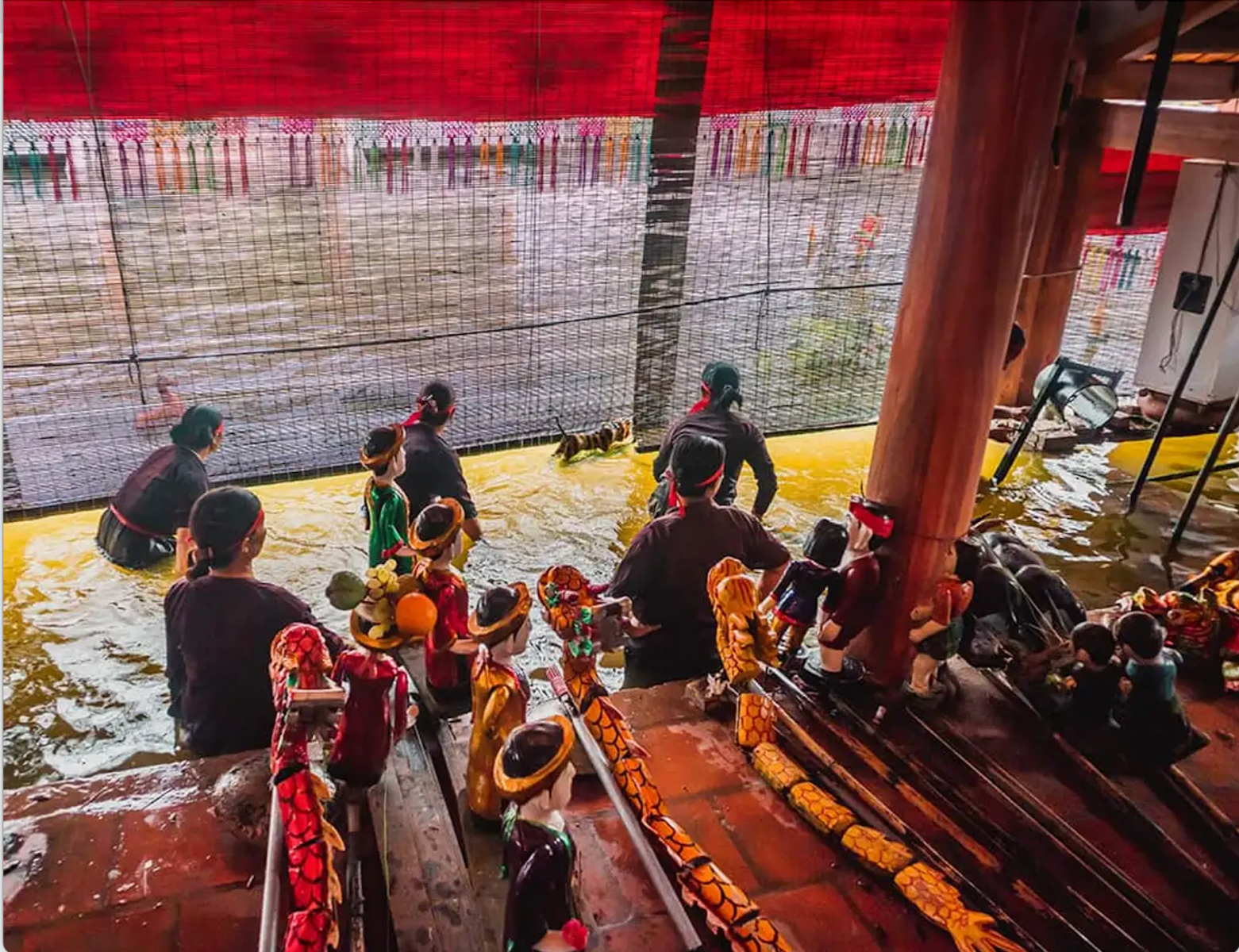
source: daidoanket.vn
Address: Dao Thuc Hamlet, Thuy Lam Commune, Dong Anh District, Hanoi
8. Chuong Conical Hat Village
Among Hanoi’s historic craft villages, Chuong holds a distinctive charm as the home of a conical-hat-making tradition said to date back to the eighth century. Behind the seemingly simple form of each non la lies a meticulous process: selecting and flattening palm leaves, preparing the frame, arranging each layer and carefully stitching every line by hand. In the past, special hats from the village were made for queens and princesses, while other designs accompanied elderly people to pagodas or protected women working in the fields. Today, the tradition lives on through the village’s conical hat market, local festivals and hands-on craft experiences, allowing visitors to discover the story behind one of Vietnam’s most recognizable cultural symbols.
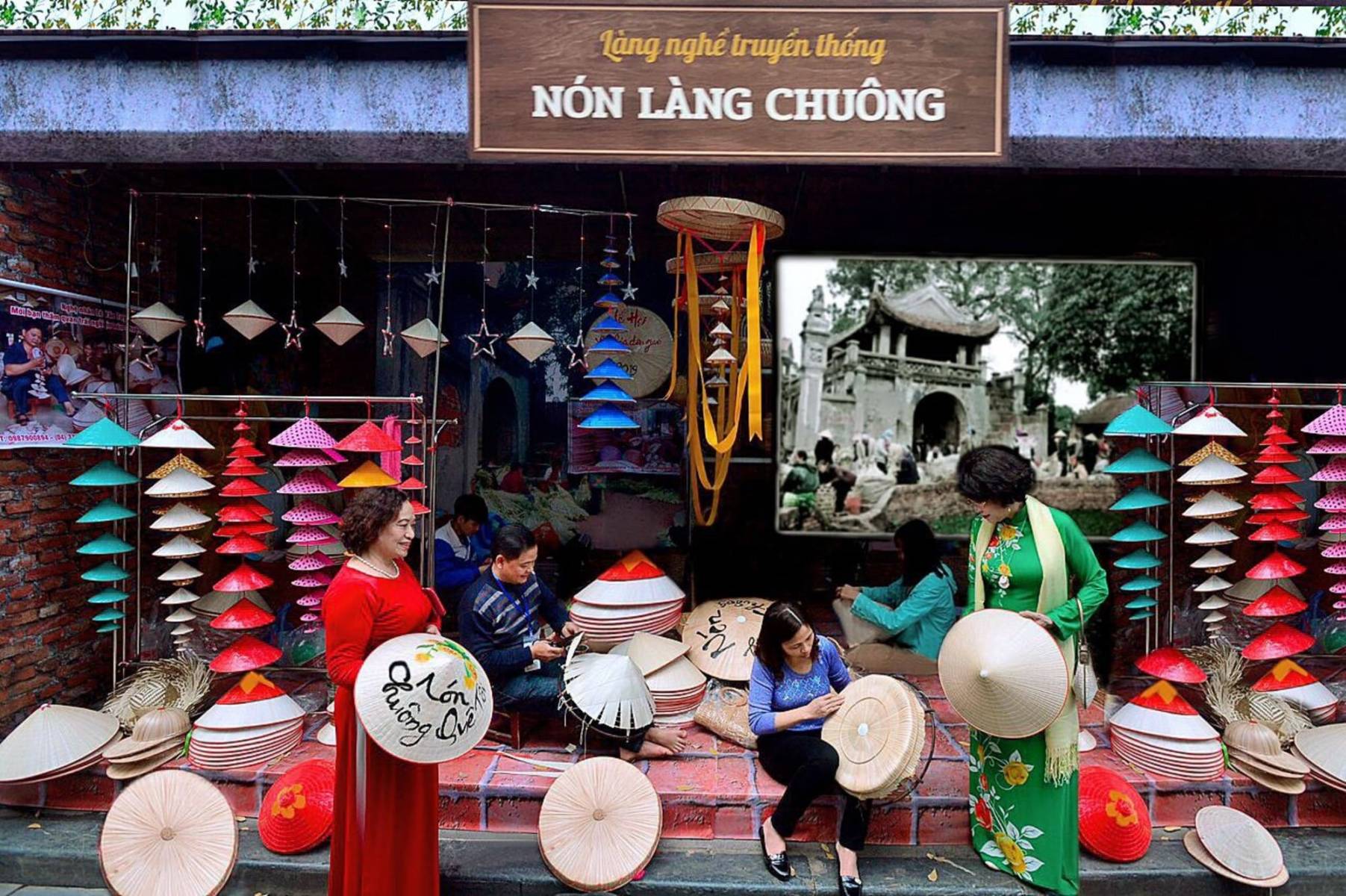
source: vinpearl
Address: Phuong Trung Commune, Thanh Oai District, Hanoi
9. Chang Son Fan-Making Village
In Chang Son, a fan is far more than a practical object from everyday life. In the hands of talented artisans, it becomes a work of folk art combining craftsmanship, painting and cultural symbolism. Fan-making has been practiced here for centuries, and by the nineteenth century, Chang Son fans were already widely known and had even appeared at an exhibition in Paris.
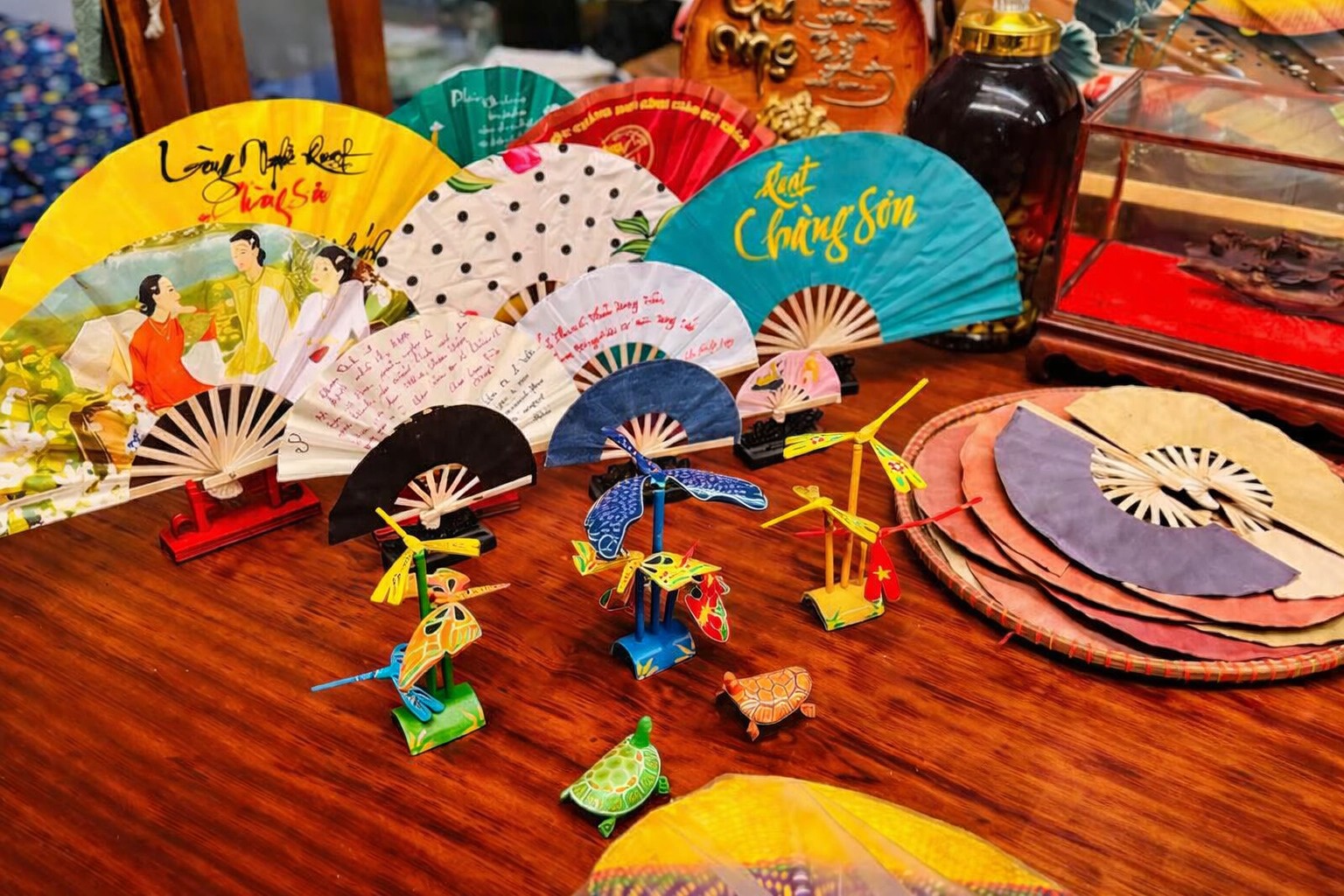
source: tapchivietnam
Beyond traditional paper fans, villagers create silk fans, sheer-fabric fans and decorative painted fans in a variety of sizes and styles, often featuring cultural motifs, traditional imagery and poetry. One artisan even created an enormous fan measuring approximately 9 meters long and 4.5 meters high, demonstrating how far the village’s creativity has expanded beyond the conventional boundaries of the craft.
Address: Chang Son, Thach That, Hanoi
10. Quang Phu Cau Incense Village
Few traditional villages in Hanoi make as striking a visual impression as Quang Phu Cau. For more than 100 years, incense making has remained deeply woven into local life. From preparing bamboo and dyeing incense sticks to rolling, drying and packaging them, the entire process can still be seen throughout the village.
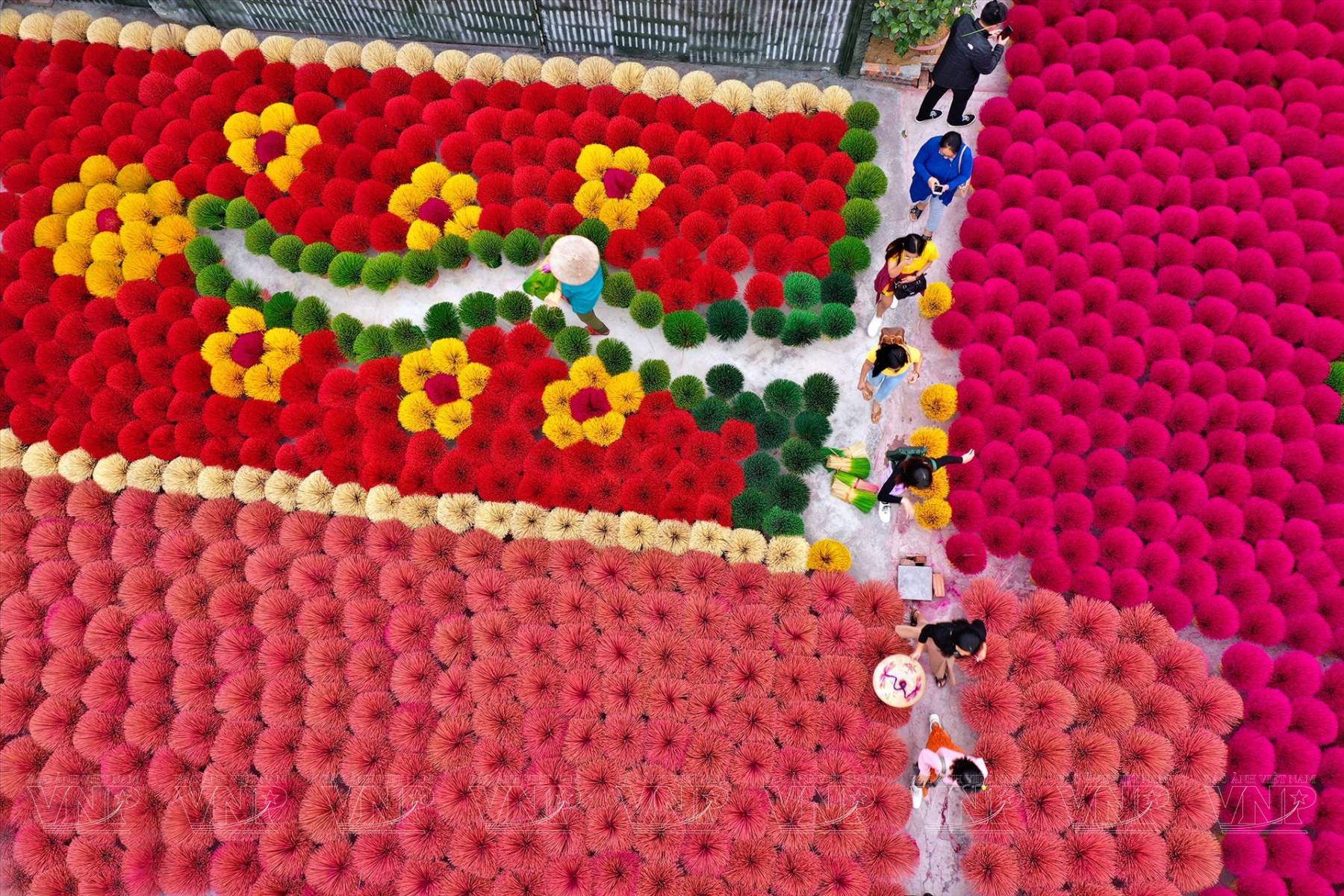
source: vietnam.vnanet.vn
Bundles of red, yellow and pink incense arranged like blooming flowers beneath the sunlight create a spectacular landscape, while also reflecting the important role incense plays in Vietnamese ancestor worship, spiritual practices and religious traditions. In 2024, Quang Phu Cau was officially recognized by Hanoi as the Quang Phu Cau Incense Craft Village Tourist Site, creating new opportunities for visitors to experience a traditional craft that continues to thrive across generations.
Address: Cau Bau Hamlet, Ung Hoa District, Hanoi
Through each traditional craft village, Hanoi reveals itself not only as a modern capital, but also as a place where cultural heritage continues to be quietly preserved from one generation to the next. In the hands of local artisans, familiar materials such as clay, silk, wood, bamboo and young rice are transformed into creations with distinctive identities of their own. Exploring these villages therefore offers visitors another way to understand the culture, people and enduring beauty of Hanoi through time.
Grand Mercure Hanoi ☆☆☆☆☆
9 Cat Linh, O Cho Dua Ward, Hanoi, 100000 Hanoi
Vietnam
Tel: +84 24 3211 5757
Fax:+84 24 3244 4747
Email:
H6936@accor.com

Follow us
Stay in touch and connected to all the news and happenings.