Grand Mercure Hanoi - Upscale hotels & resorts
- Vietnamese Lion Dance: A Celebration of Culture During Festival Seasons
Grand Mercure Hanoi
Languages en
en
en
- English
- Tiếng Việt
- See this hotel on all.accor.com or brand website in other languages :
Vietnamese Lion Dance: A Celebration of Culture During Festival Seasons
The lively beat of drums, powerful footsteps, and the vibrant colors of lion heads moving through the streets – Lion Dance has long been a familiar part of Vietnamese festivals. Beyond creating an atmosphere of excitement and celebration, Lion Dance carries wishes for good fortune, peace, prosperity, and family reunion.
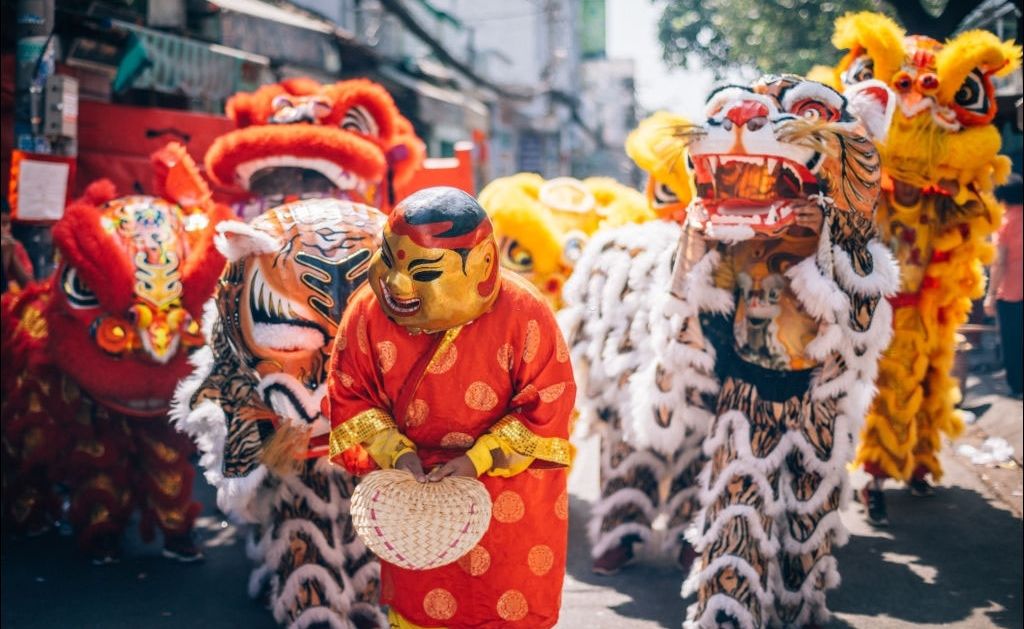
When Mid-Autumn Festival arrives, the streets of Vietnam seem to take on a different character. Glowing lanterns, children’s laughter, and the rhythmic sound of festival drums come together to create an atmosphere that is both festive and deeply familiar.
Source: dienmayxanh
Among these sights and sounds, Lion Dance remains one of the most distinctive – a traditional performing art that has been woven into Vietnamese cultural life for generations.
- An Art Form Closely Connected to Festival Traditions
Lion Dance has long been part of important occasions in Vietnamese community life, from Tết (Lunar New Year) and Mid-Autumn Festival to traditional festivals, grand openings, and cultural celebrations.
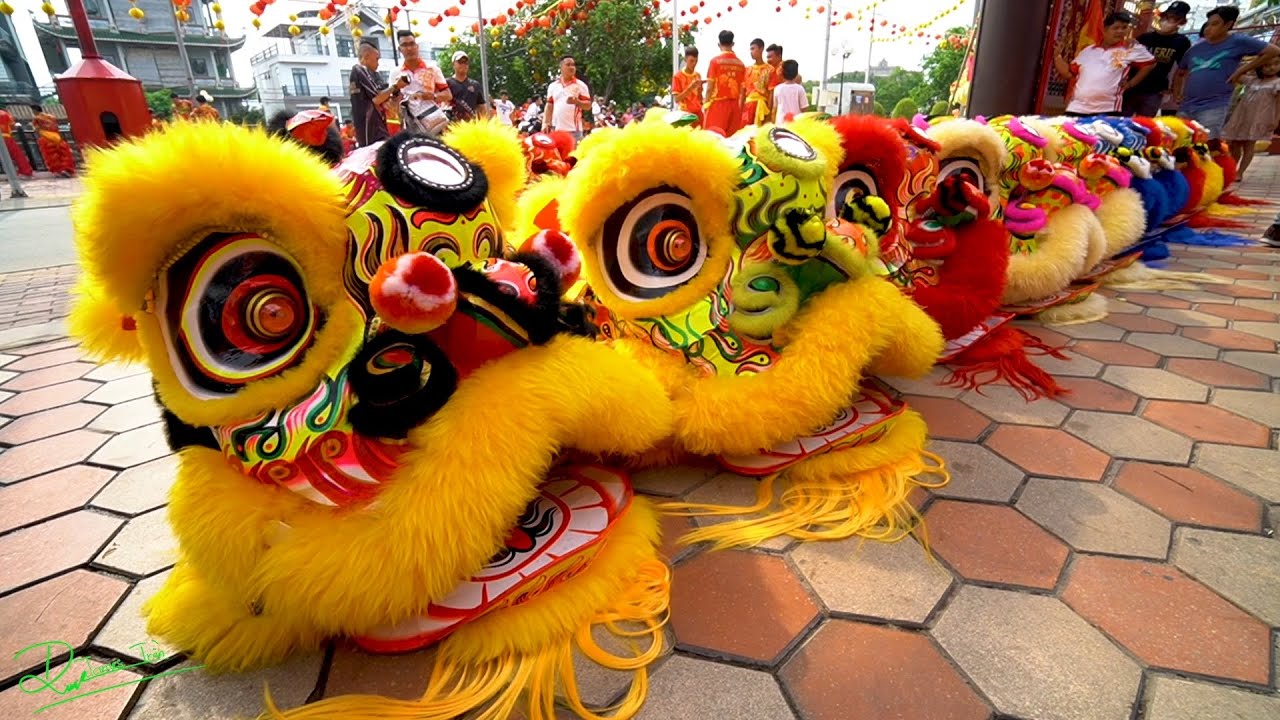
The energetic beat of drums, gongs, and cymbals blends with the agile movements of the performers, creating a dynamic and captivating spectacle. For many Vietnamese people, the presence of a Lion Dance troupe is more than simply entertainment; it also conveys wishes for good fortune and a prosperous beginning.
Source: dienmayxanh
In many Asian cultural traditions, lion, dragon and unicorn are regarded as a powerful mythical creature symbolizing good fortune, strength, prosperity, and protection.
For this reason, the appearance of a Lion Dance troupe during the Lunar New Year, Mid-Autumn Festival, or a grand opening carries a special meaning – welcoming good fortune while driving away negative energy and misfortune.
2. Where Folk Art Meets Traditional Martial Arts
The appeal of Lion Dance lies not only in its vibrant colors and powerful rhythms, but also in the remarkable skill and discipline behind each performance.
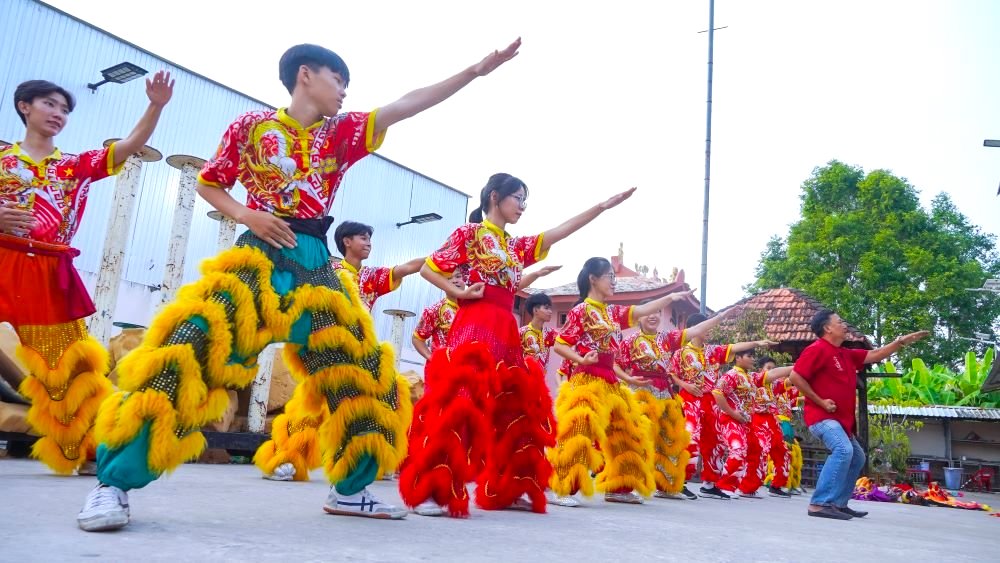
Behind a performance that may last only a few minutes lies a rigorous training process. Performers need physical strength, balance, agility, and, above all, the ability to coordinate seamlessly with their fellow performers.
Source: Báo Dân Trí
Many routines incorporate movements inspired by traditional martial arts alongside techniques from folk dance. Performances involving jumps across platforms, navigating obstacles, or moving across elevated poles require precision, concentration, and considerable physical control.
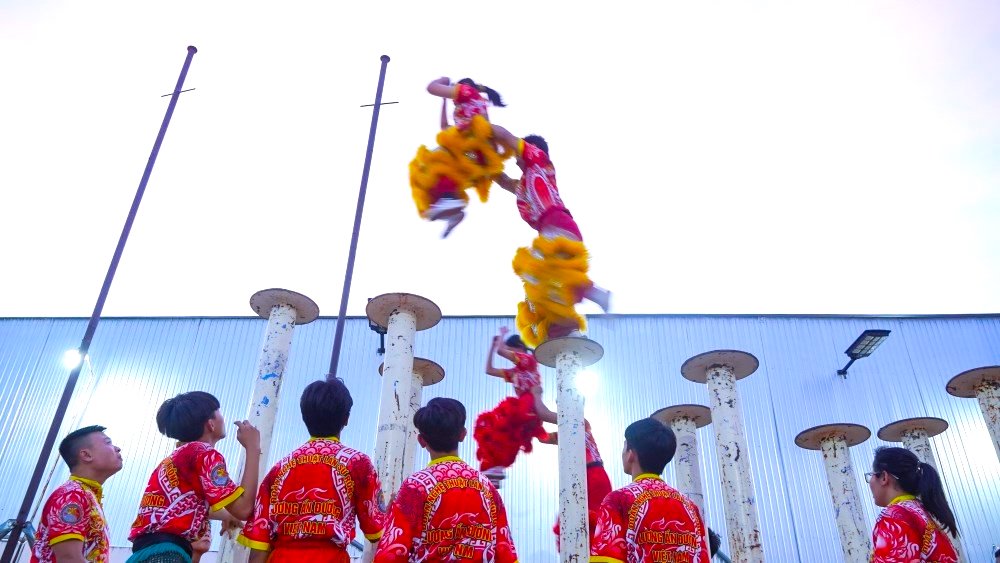
Source: Báo Dân Trí
Each performer does more than simply control part of the lion. They must respond to the rhythm of the drums, anticipate the movements of their teammates, and bring the personality and spirit of the lion to life.
It is this combination of artistry, physical strength, and teamwork that has allowed Lion Dance to evolve beyond a traditional festival performance into a distinctive and highly skilled performing art.
3. The Colors and Stories Behind the Lion Heads
One of the most fascinating elements of Lion Dance can be found in the colorful lion heads themselves.
Lion heads come in a wide range of colors, from red, yellow, and white to green and black. Their colors, shapes, and decorative details can be associated with different stories, symbols, and traditional beliefs.
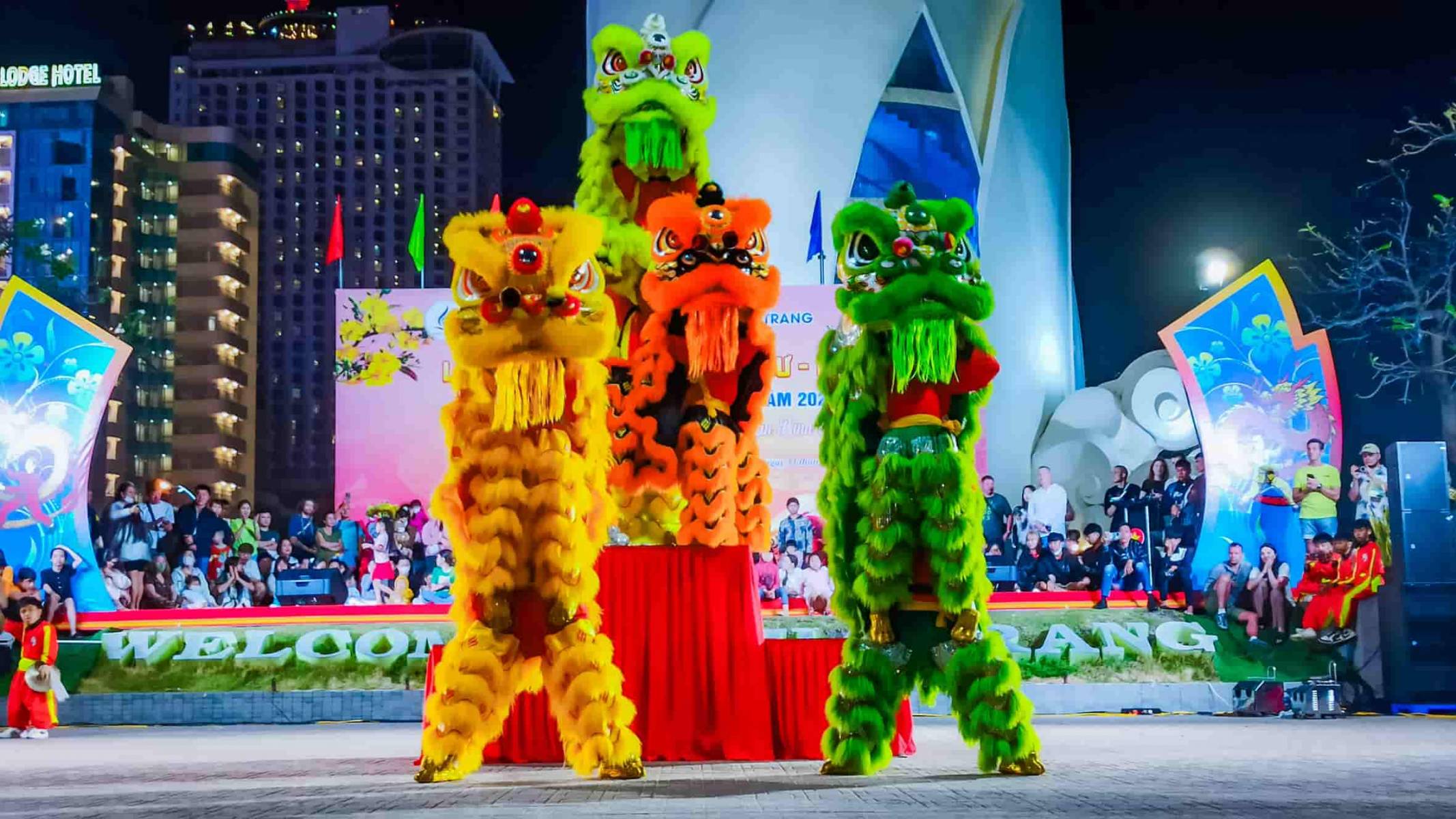
Source: Báo Lao Động
The lion’s beard, in particular, carries its own fascinating cultural meanings within different Lion Dance traditions.
White or silver beards are often associated with maturity and long-standing experience, while other beard colors may represent different generations or levels of experience within a troupe’s tradition.
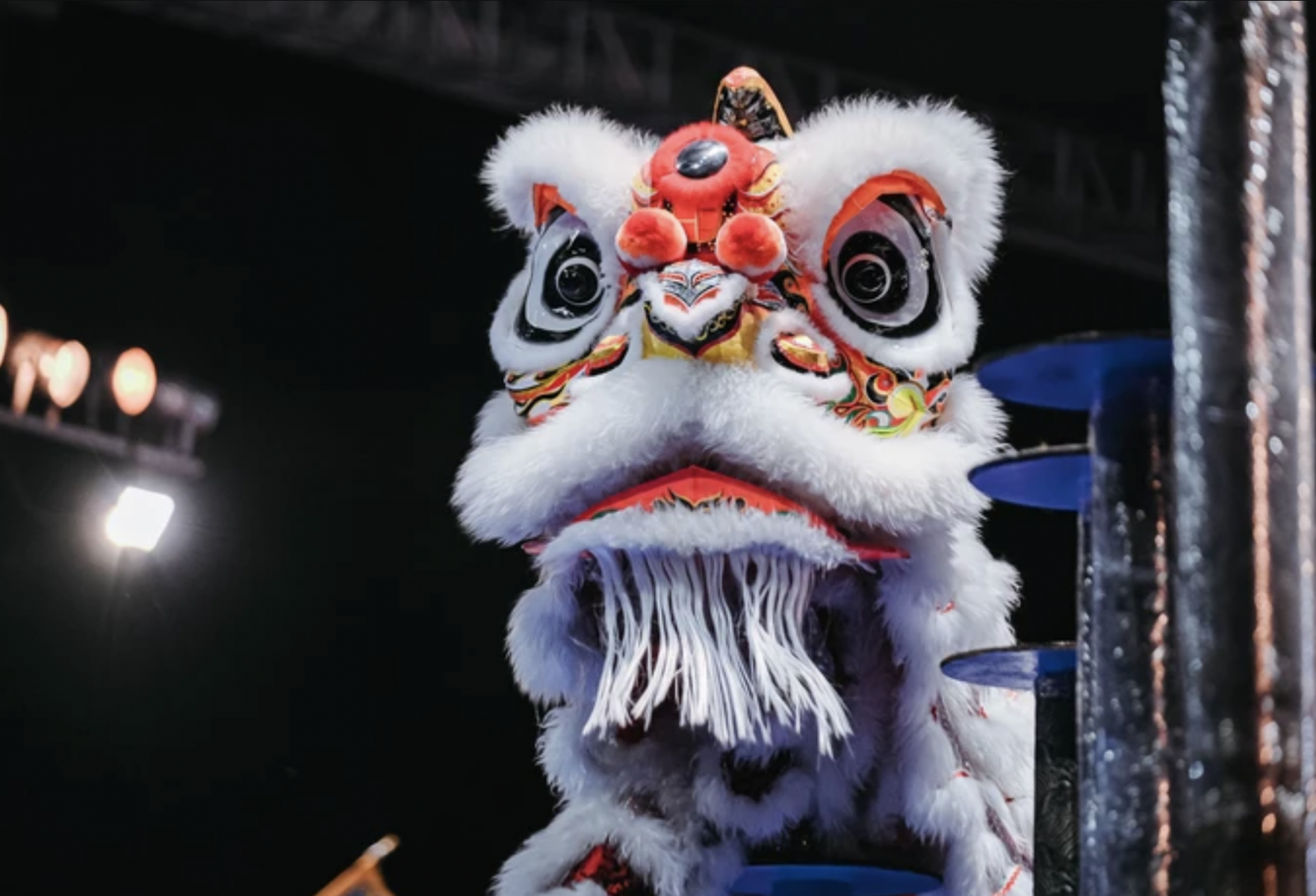
Source: dienmayxanh
During grand openings and occasions associated with wishes for wealth and prosperity, lions with golden or silver beards may also be chosen as symbols of fortune, success, and abundance.
These seemingly small details contribute to the rich cultural world that lies behind every vibrant lion head.
4. From Village Courtyards to Modern Stages
Over time, Lion Dance has continued to adapt to contemporary life. Once primarily performed at community festivals, the art form has become increasingly organized and professional, bringing together martial arts techniques, performing arts, and teamwork.
In Hanoi, the Nhat Hoang Lion Dance Troupe, formerly known as the Uy No Lion Dance Club in Dong Anh District, offers a notable example of how this traditional art form continues to be preserved and developed across generations. Established in 1996, the troupe has participated in cultural and sporting activities as well as Lion Dance festivals in the local community and across Hanoi.
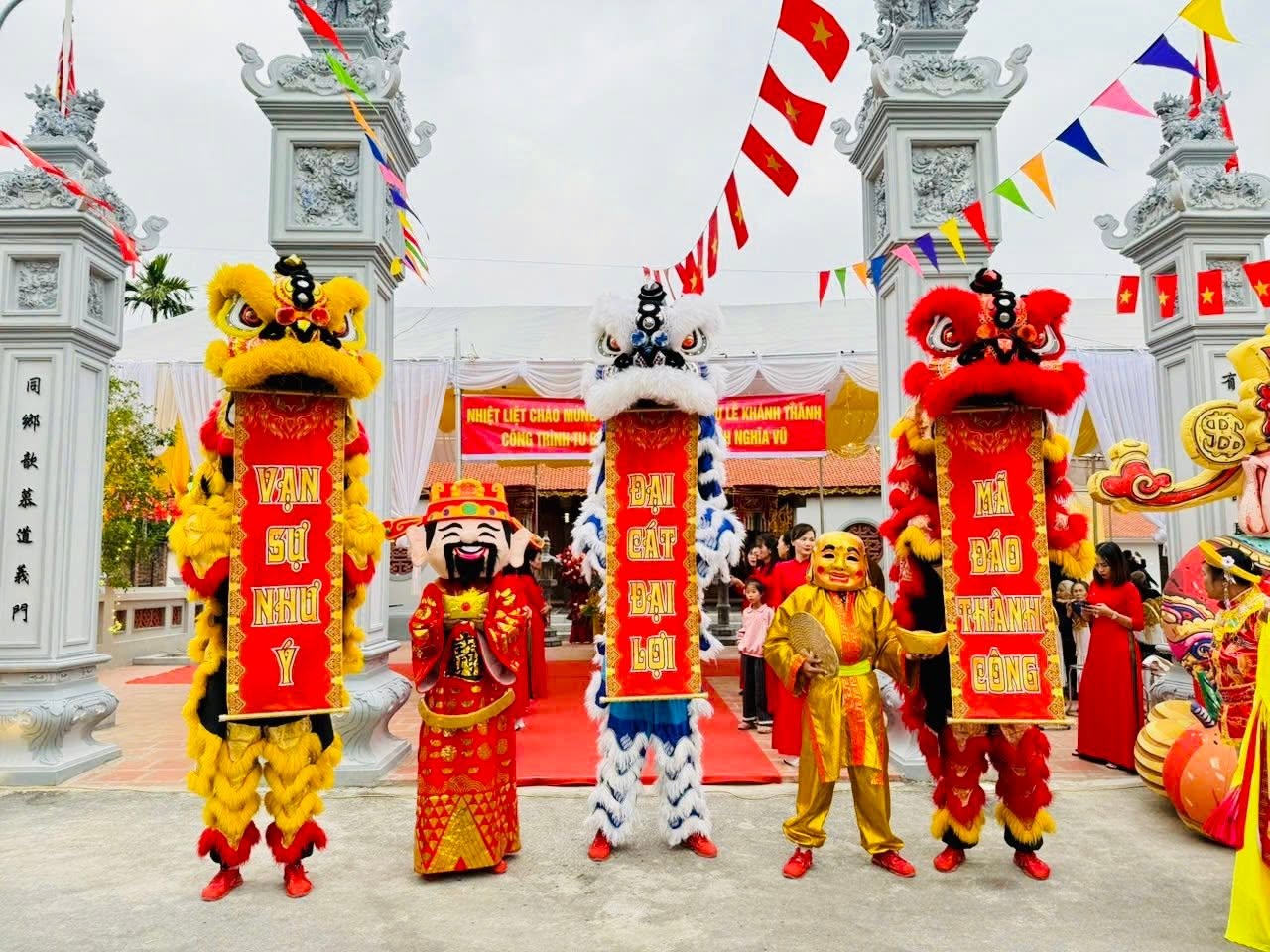
Source: Múa Lân Sư Rồng Nhật Hoàng
One of Nhat Hoang’s memorable performances is “Song Long Ngu Phuc”, which received the Special Prize at the Dong Anh District Lion Dance Arts Festival. The performance demonstrates how a local troupe can combine traditional cultural values with carefully choreographed techniques to create performances that are both culturally meaningful and engaging for contemporary audiences.
Stories like that of Nhat Hoang show that Lion Dance in Hanoi is not confined to festival seasons. It continues to be nurtured and passed down through generations. From village courtyards and communal spaces to cultural stages and organized competitions, the art form retains its traditional spirit while finding new ways to connect with today’s audiences.
5. Lion Dance and Mid-Autumn Festival
Among the many memories associated with Mid-Autumn Festival in Vietnam, the image of a Lion Dance troupe moving through the streets to the lively rhythm of drums holds a particularly special place.
For children, it is an exciting moment when colorful lions suddenly appear, dancing and leaping to the beat of the drums.
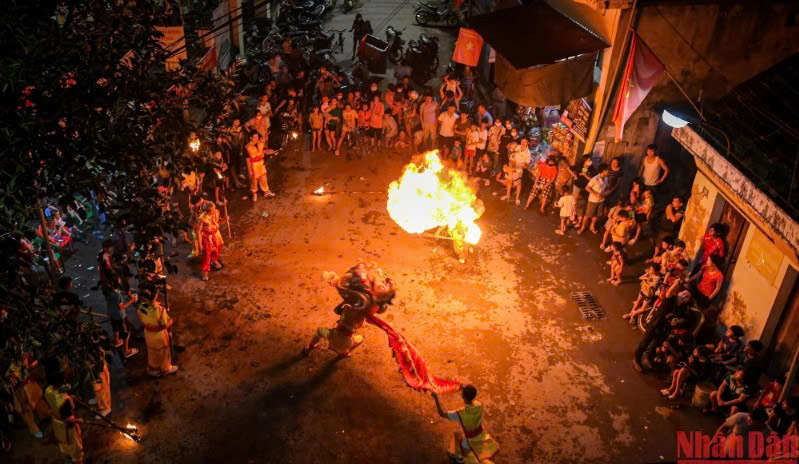
Source: Báo Nhân Dân
For adults, it can bring back memories of childhood – evenings spent carrying lanterns, sharing mooncakes with family, and hearing the sound of drums echoing from the streets nearby.
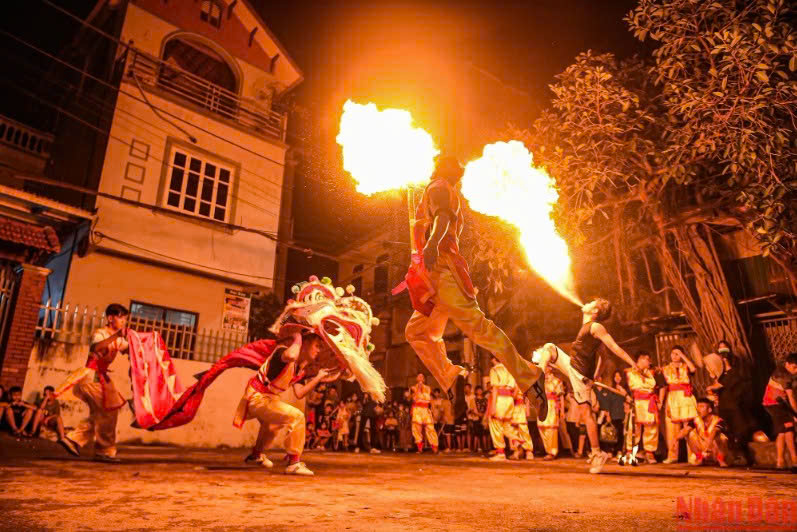
Source: Báo Nhân Dân
For this reason, Lion Dance is more than a performance. It has become part of our memories, our communities, and the spirit of reunion that lies at the heart of Mid-Autumn Festival.
Perhaps this is why the art continues to thrive in contemporary Vietnamese life – carrying the spirit of tradition forward while creating new memories for generations to come.
Grand Mercure Hanoi ☆☆☆☆☆
9 Cat Linh, O Cho Dua Ward, Hanoi, 100000 Hanoi
Vietnam
Tel: +84 24 3211 5757
Fax:+84 24 3244 4747
Email:
H6936@accor.com

Follow us
Stay in touch and connected to all the news and happenings.