Grand Mercure Hanoi - Upscale hotels & resorts
- Vietnam National Museum of History in Hanoi: A Journey Through Vietnam’s History and Culture
Grand Mercure Hanoi
Languages en

en
- English
- Tiếng Việt
- See this hotel on all.accor.com or brand website in other languages :
Vietnam National Museum of History in Hanoi: A Journey Through Vietnam’s History and Culture
Hanoi is not only known for its charming Old Quarter and bustling streets but also for its rich historical and cultural heritage. For visitors who wish to gain a deeper understanding of Vietnam’s past, the Vietnam National Museum of History is a worthwhile destination, offering a fascinating journey through the country’s development over thousands of years.
1. An Introduction to the Vietnam National Museum of History
The Vietnam National Museum of History is located at 216 Tran Quang Khai Street, with another exhibition site at 1 Trang Tien Street, Hanoi. The museum preserves an extensive collection of historical and cultural documents and artefacts, including national treasures that reflect Vietnam’s heritage.
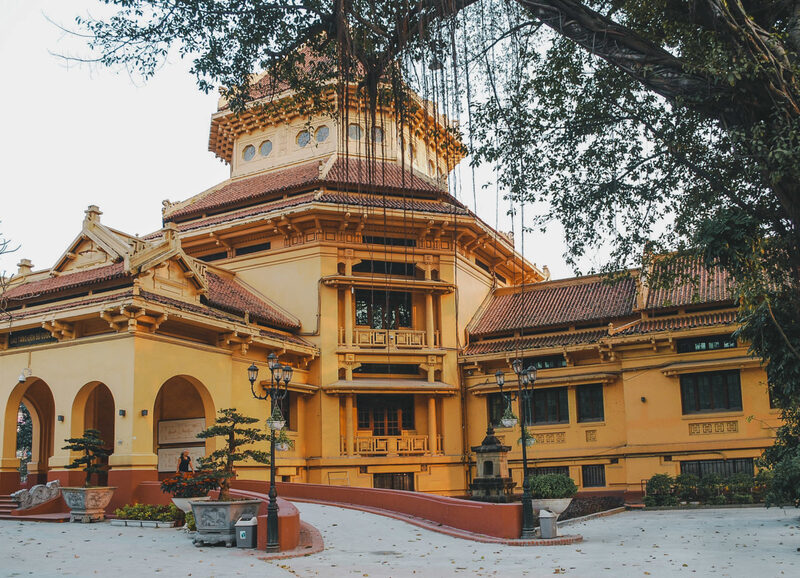
Operating under the Ministry of Culture, Sports and Tourism, the museum is responsible for historical research, archaeology, inventory, preservation and exhibition. Known internationally as the Vietnam National Museum of History (VNMH), it houses hundreds of thousands of documents and artefacts spanning the prehistoric period to 1945.
2. How to Get to the Vietnam National Museum of History
Visitors can reach the museum by several means of transport:
- Public bus: Hanoi’s bus network offers a convenient way to travel around the city. Visitors are advised to check the latest routes and stops before setting off.
- Motorbike or ride-hailing services: Motorbikes and ride-hailing apps provide flexible options for getting around Hanoi and reaching the museum.
- By air: Travellers arriving at Noi Bai International Airport can continue to the city centre by taxi, ride-hailing service or other available transport options.
3. The Best Time to Visit the Museum
Hanoi’s spring, from January to April, is a pleasant time to explore the city, with mild weather and the fresh atmosphere of the new year. Autumn, from September to November, is another ideal period, when cooler temperatures and gentle breezes create comfortable conditions for sightseeing.
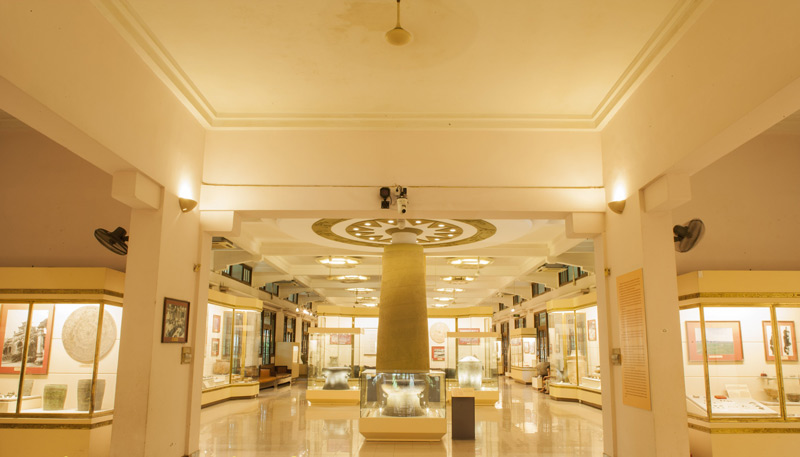
Both seasons offer an enjoyable opportunity to discover the museum and explore the surrounding areas of Hanoi.
4.What Makes the Vietnam National Museum of History Special?
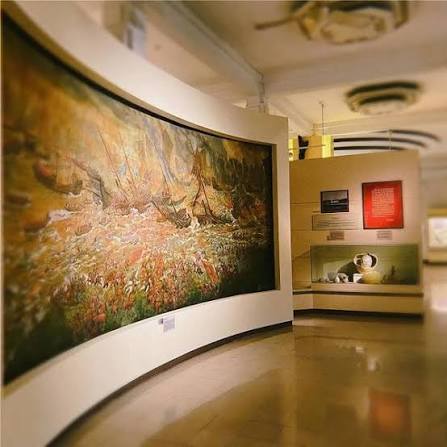
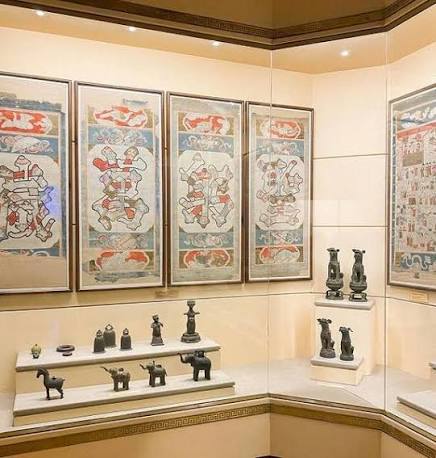
The museum offers visitors an opportunity to trace Vietnam’s historical journey, beginning with its earliest prehistoric communities and continuing through significant periods of cultural and social development.
At 1 Trang Tien Street, visitors can discover collections associated with the Dong Son culture, the Oc Eo–Funan civilisation, Champa sculptures and the Indochina School of Fine Arts. These exhibits provide insights into the artistic traditions, cultural exchanges and architectural heritage of different periods in Vietnamese history.
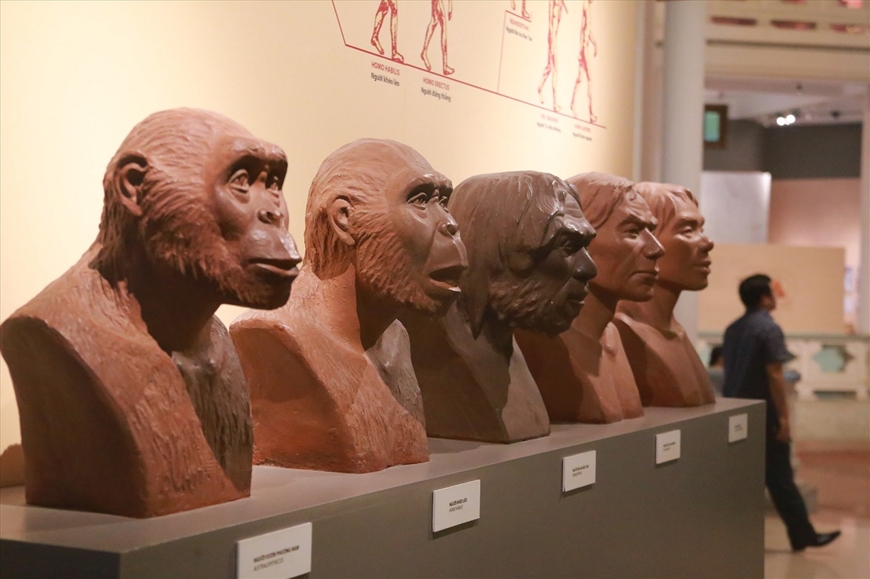
Meanwhile, the exhibition site at 216 Tran Quang Khai Street focuses on the period from the 19th century to modern times. Its collections explore Vietnam’s resistance against French and American forces, alongside historical documents and artefacts associated with President Ho Chi Minh and the Communist Party of Vietnam.
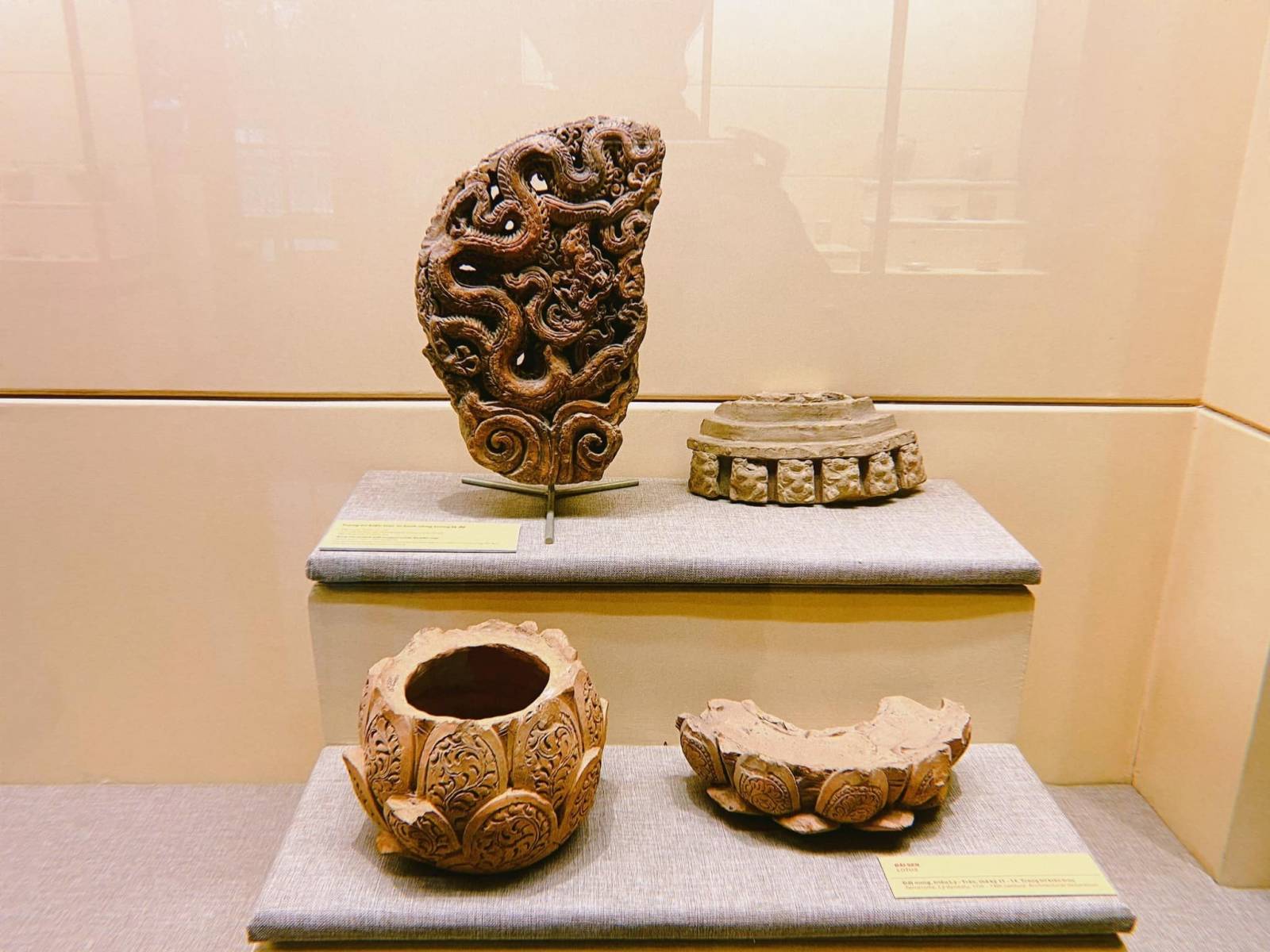
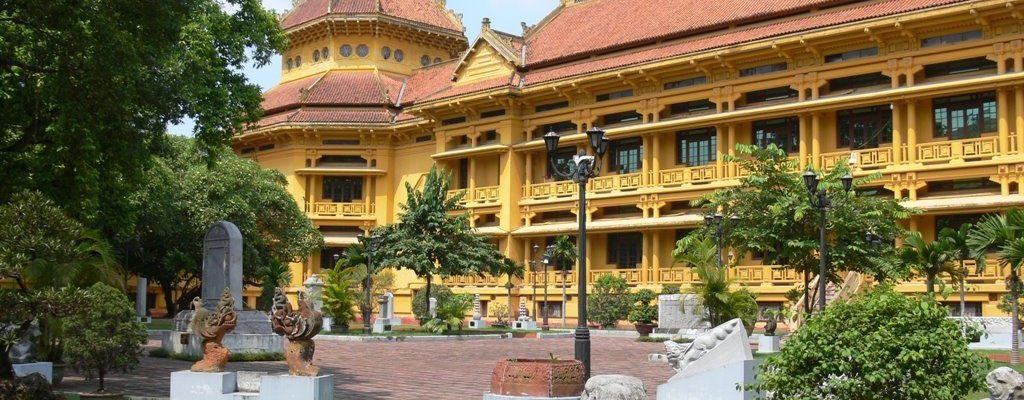
Beyond its collections, the museum is also notable for its distinctive architecture. Its classic exterior and carefully arranged exhibition spaces create an engaging setting in which visitors can explore the country’s history and cultural identity.
5. Experiences to Make Your Visit More Enjoyable
To gain a fuller understanding of the exhibits, visitors may consider joining a guided tour, where available, to learn more about the historical context behind significant artefacts and collections.
The museum may also offer publications, souvenirs and interactive activities depending on its current programmes. These experiences can provide additional perspectives on Vietnam’s cultural heritage and make the visit more memorable.
6. Opening Hours and Admission Fees
The Vietnam National Museum of History is generally open from Tuesday to Sunday, with the following schedule:
- Morning: 8:00 AM – 12:00 PM
- Afternoon: 1:30 PM – 5:00 PM
- Closed: Mondays
The admission fees are as follows:
- Adults: VND 40,000
- Students: VND 20,000
- School pupils: VND 10,000
- Children under six and visitors with severe disabilities: Free admission, subject to applicable regulations.
Opening hours, ticket prices and admission policies may change. Visitors are encouraged to check the museum’s official website before planning their visit.
A visit to the Vietnam National Museum of History offers a meaningful way to explore the stories, traditions and milestones that have shaped the nation. For travellers looking to discover more of Hanoi beyond its well-known attractions, the museum provides a rewarding cultural experience.
After a day of exploring the capital’s heritage, return to Grand Mercure Hanoi for a relaxing stay and continue discovering the city’s distinctive blend of history, culture and contemporary life.
Source: Internet
Grand Mercure Hanoi ☆☆☆☆☆
9 Cat Linh, O Cho Dua Ward, Hanoi, 100000 Hanoi
Vietnam
Tel: +84 24 3211 5757
Fax:+84 24 3244 4747
Email:
H6936@accor.com

Follow us
Stay in touch and connected to all the news and happenings.