Grand Mercure Hanoi - Upscale hotels & resorts
- LY THAI TO FLOWER GARDEN – A HISTORIC LANDMARK IN THE HEART OF HANOI
Grand Mercure Hanoi
Languages en

en
- English
- Tiếng Việt
- See this hotel on all.accor.com or brand website in other languages :
LY THAI TO FLOWER GARDEN – A HISTORIC LANDMARK IN THE HEART OF HANOI
Located beside Hoan Kiem Lake, Ly Thai To Flower Garden is one of Hanoi’s most cherished cultural and historical landmarks. Beyond its open green spaces in the heart of the city, the garden preserves architectural features and historical stories that reflect the capital’s journey through time.
1. Ly Thai To Flower Garden – A Timeless Corner in the Capital
Overlooking Hoan Kiem Lake, Ly Thai To Flower Garden offers a peaceful setting where Hanoi’s historic charm meets modern city life. Mature trees, spacious walkways and historic landmarks create a welcoming retreat from the bustling streets, making it a pleasant place for both locals and visitors to unwind.
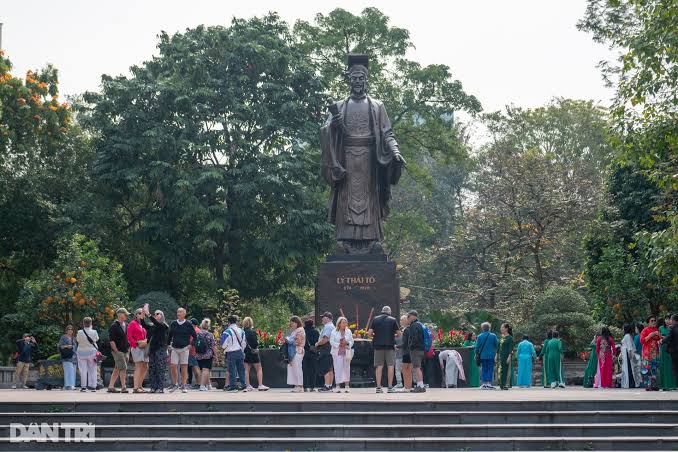
Source: Báo Dân Trí
2. How to Get to Ly Thai To Flower Garden
Situated in the former Hoan Kiem District, the garden is surrounded by four central streets: Dinh Tien Hoang, Le Thach, Le Lai and Ngo Quyen. Visitors can easily reach the area by taxi, motorbike or on foot from Hoan Kiem Lake and the Old Quarter.
On weekends, certain roads around the lake may be closed to motorised traffic as part of the pedestrian zone. Visitors are therefore advised to plan their journey accordingly.
3. A Journey Through History: The Garden’s Former Names
3.1. From an Ancient Pagoda to Paul Bert Flower Garden
Before becoming the public space seen today, the area was once part of the grounds of Pho Giac Pagoda, an ancient Buddhist temple. During the French colonial period, it was redeveloped into a European-style garden and named Paul Bert Flower Garden. Earlier, the site also featured a miniature replica of the Statue of Liberty, popularly known among local residents as the “Madame Xoe” statue.
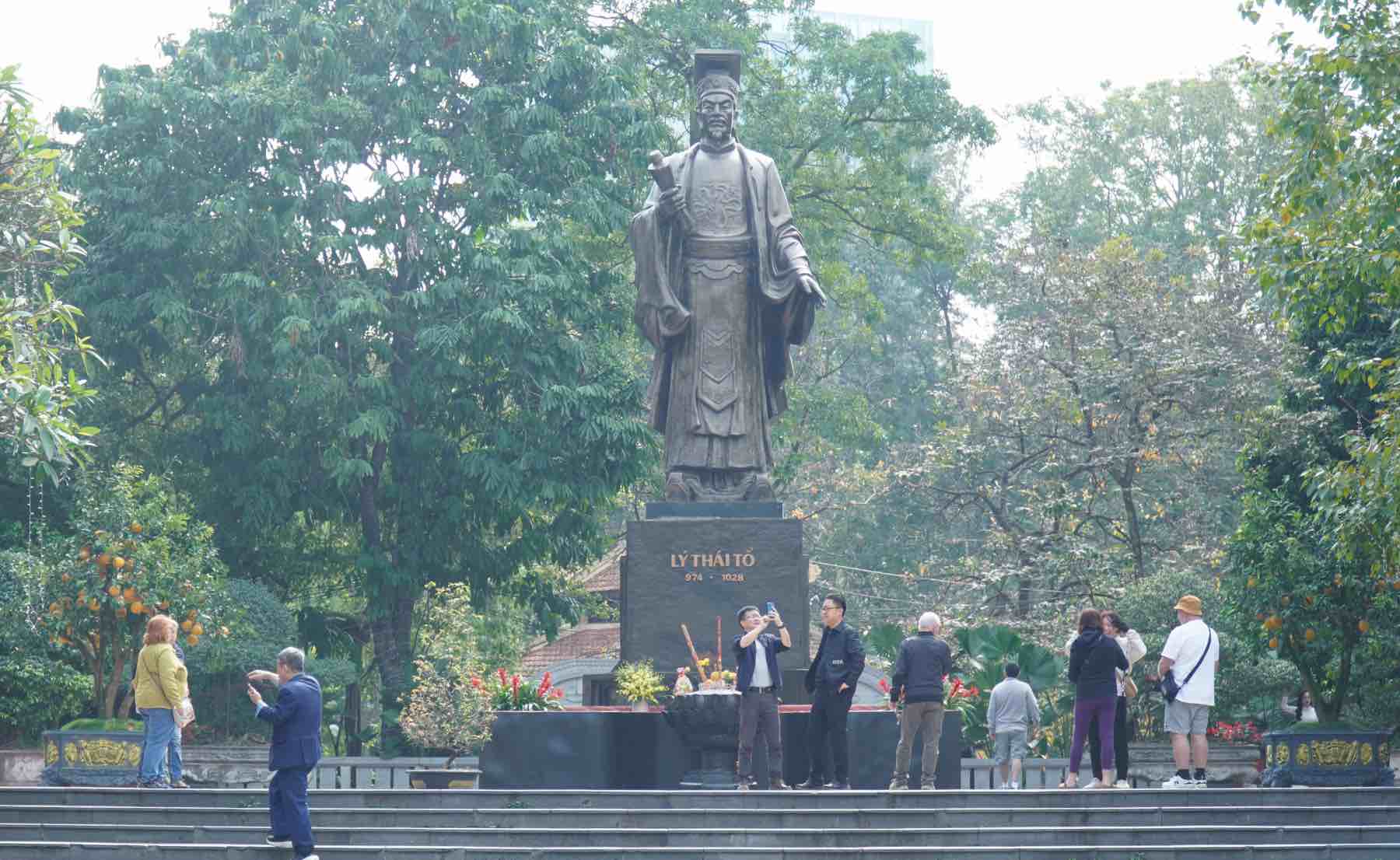
Source: Justfly.vn
3.2. Name Changes Reflecting Historical Milestones
Following Vietnam’s independence in 1945, the garden was renamed Chi Linh Flower Garden, reflecting national pride and historical heritage. In 1984, it was renamed Indira Gandhi Flower Garden in recognition of the friendship between Vietnam and India. In 2004, following the inauguration of the monument dedicated to King Ly Thai To, the site officially adopted its present name.
4. Architectural Highlights of Ly Thai To Flower Garden
4.1. The King Ly Thai To Monument – A Symbol of Hanoi
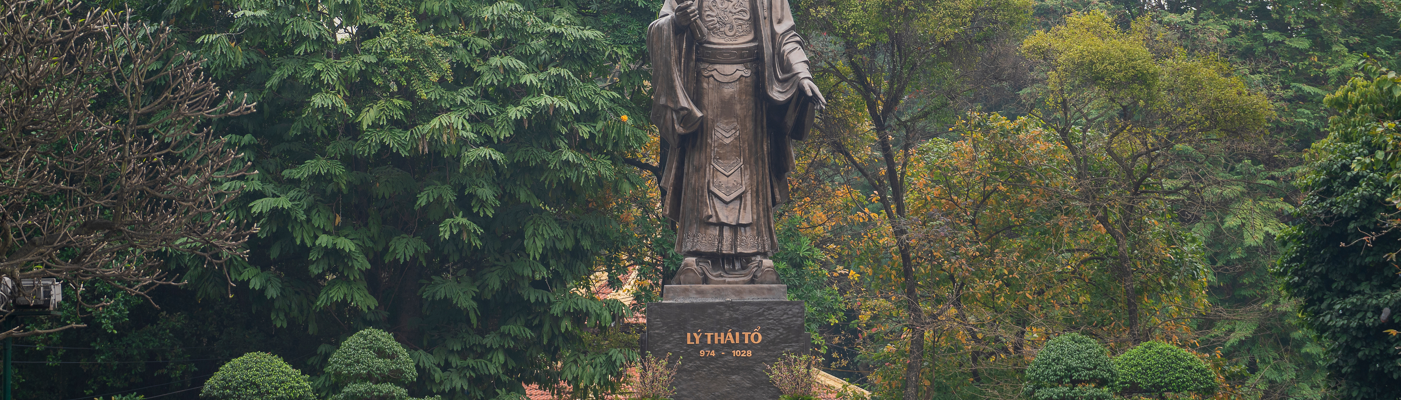
Standing prominently at the centre of the garden is the monument of King Ly Thai To, who made the historic decision to move the capital from Hoa Lu to Thang Long in 1010. The approximately 10.1-metre-high bronze monument depicts the king in royal attire, holding the Edict on the Transfer of the Capital in one hand while extending the other forward. Beyond its architectural significance, the monument represents the vision and ambition behind the founding of Thang Long, the historic heart of modern-day Hanoi.
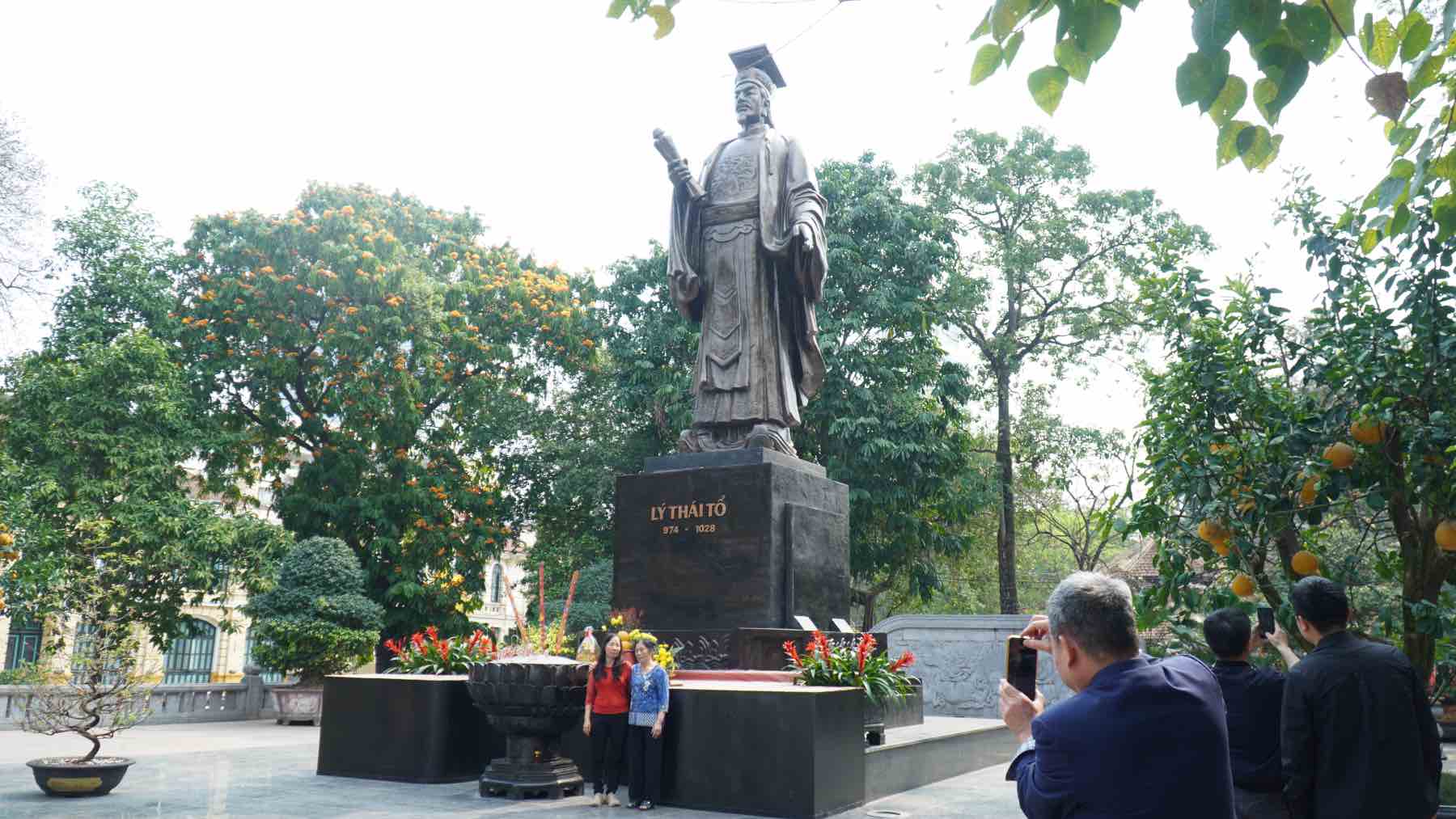
Source: Báo Lao Động
4.2. The Octagonal House (Bandstand) – A Touch of French Colonial Architecture
Located within the garden, the Octagonal House is a distinctive architectural landmark dating back to the early 20th century. Its eight-sided structure and elegant roof design combine French architectural influences with details reminiscent of traditional Vietnamese architecture. Today, the building serves as a familiar venue for music performances and community cultural activities.
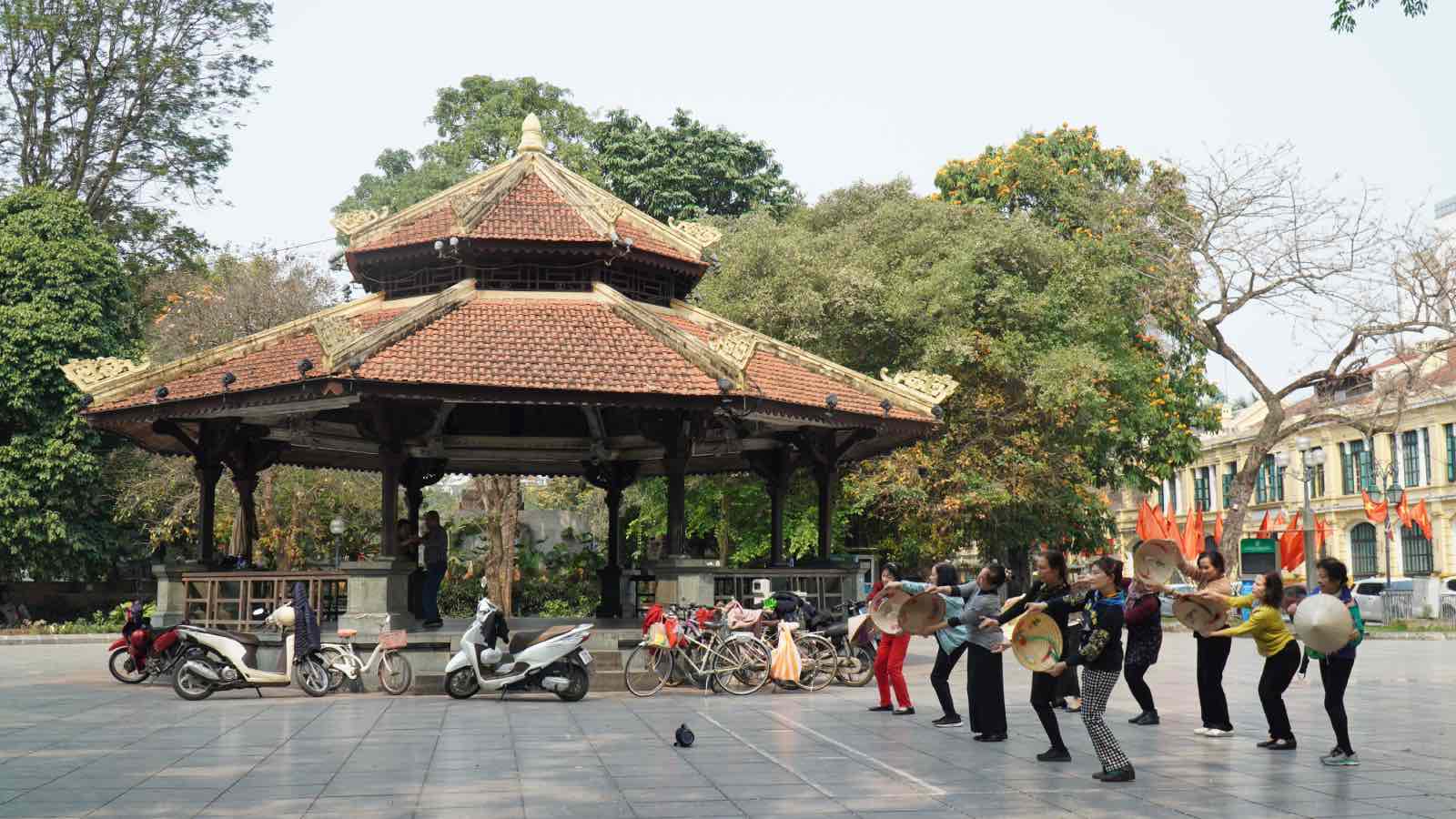
Source: Báo Lao Động
5. Things to Experience at Ly Thai To Flower Garden
5.1. Discover the Everyday Rhythm of Hanoi
Ly Thai To Flower Garden is a popular gathering place for locals to exercise, walk and relax. Early mornings bring a peaceful atmosphere, with residents practising tai chi, exercising and dancing. By afternoon, the garden becomes livelier as families and young visitors enjoy outdoor activities, including roller skating, skateboarding and cycling.
5.2. Enjoy Weekend Music and Cultural Events
On weekends, the area around the Octagonal House often hosts music performances and community art programmes. The garden is also a popular venue for cultural festivals, seasonal celebrations and public events, particularly the colourful flower displays that welcome the Lunar New Year.
5.3. Capture Views of Hoan Kiem Lake and Historic Architecture
With its combination of the King Ly Thai To Monument, the Octagonal House and leafy surroundings, the garden offers plenty of picturesque spots for photography. Visitors can capture the grandeur of the monument, admire the building’s historic architecture or enjoy views of Hoan Kiem Lake from beneath the shade of mature trees.
6. Travel Tips for Visiting Ly Thai To Flower Garden
The best time to visit is early in the morning, between 5:00 AM and 7:00 AM, when the air is fresh and the garden is relatively peaceful. For those who prefer a livelier atmosphere, weekend evenings offer opportunities to experience local performances and cultural activities.
Comfortable clothing and walking shoes are recommended for exploring the area. Visitors can also combine their trip with nearby attractions, including Hoan Kiem Lake, Ngoc Son Temple, Hanoi Opera House and the surrounding Old Quarter.
With its rich history, distinctive architecture and vibrant community atmosphere, Ly Thai To Flower Garden is a worthwhile stop on any Hanoi itinerary. It offers visitors a closer look at the capital’s character, where centuries of heritage continue to thrive alongside the rhythm of modern city life.
Grand Mercure Hanoi ☆☆☆☆☆
9 Cat Linh, O Cho Dua Ward, Hanoi, 100000 Hanoi
Vietnam
Tel: +84 24 3211 5757
Fax:+84 24 3244 4747
Email:
H6936@accor.com

Follow us
Stay in touch and connected to all the news and happenings.