Grand Mercure Hanoi - Upscale hotels & resorts
- A Sacred Beginning to the Lunar New Year
Grand Mercure Hanoi
Languages en
en
en
- English
- Tiếng Việt
- See this hotel on all.accor.com or brand website in other languages :
A Sacred Beginning to the Lunar New Year
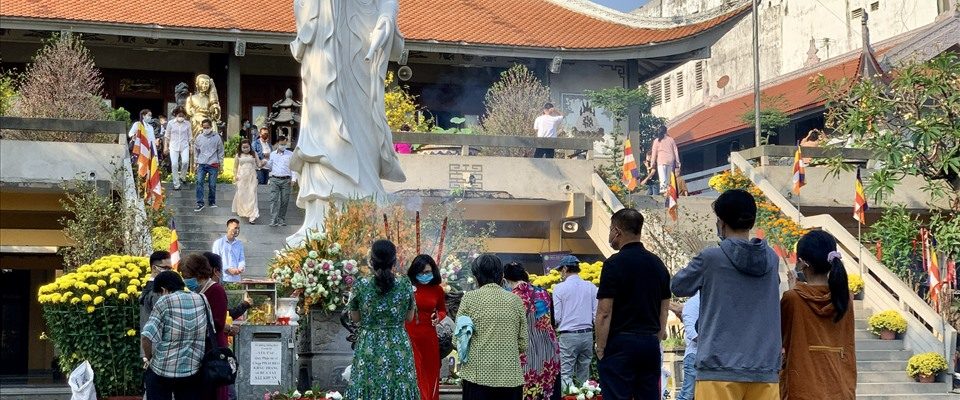
As winter fades and blossoms begin to bloom, Vietnamese families embrace one of the most poetic and spiritually significant traditions of the year: đi lễ đầu xuân — the act of visiting pagodas and temples at the beginning of spring.
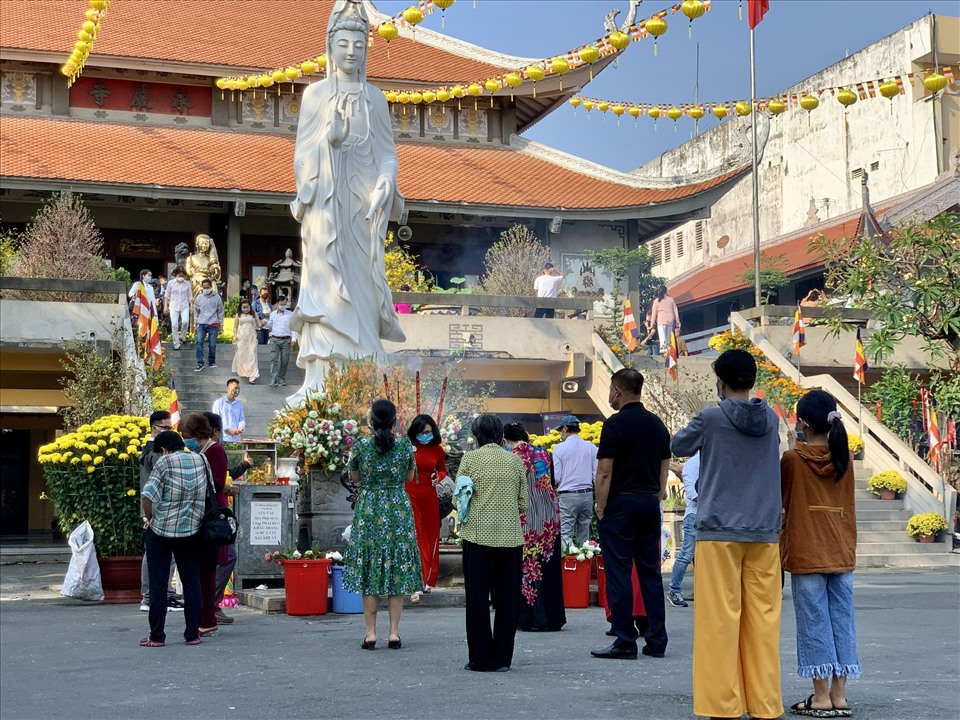
More than a ritual, it is a cultural aesthetic — a harmony of incense smoke, temple bells, silk áo dài, handwritten calligraphy, and quiet wishes whispered into the new year.
Within this blog, we explore the cultural meaning, symbolism, and beauty of this Vietnamese New Year tradition — and where you can experience it most authentically in Hanoi.
What Is “Đi Lễ Đầu Xuân”?
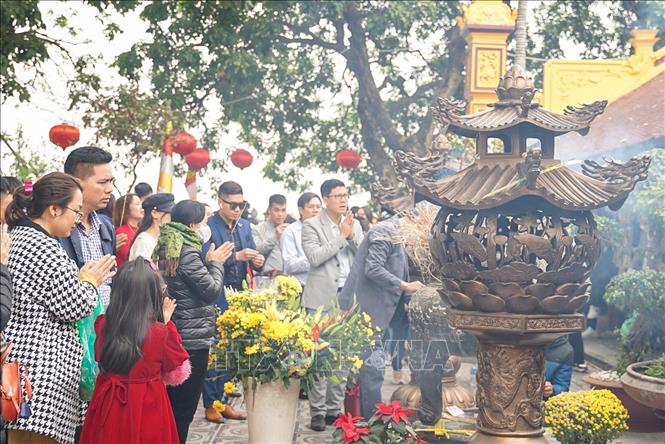
“Đi lễ đầu xuân” translates to “spring temple visit” and usually takes place during the first days of the Lunar New Year (Tết Nguyên Đán). Families visit pagodas, temples, and shrines to pray for peace, prosperity, health, and good fortune.
Rooted in a blend of Buddhism, Taoism, Confucianism, and folk beliefs, the ritual reflects Vietnam’s spiritual syncretism and reverence for ancestral and divine forces.
It is not about asking for miracles — it is about beginning the year with intention, humility, and gratitude.
The Aesthetic Language of Early Spring Worship
1. The Architecture of Stillness
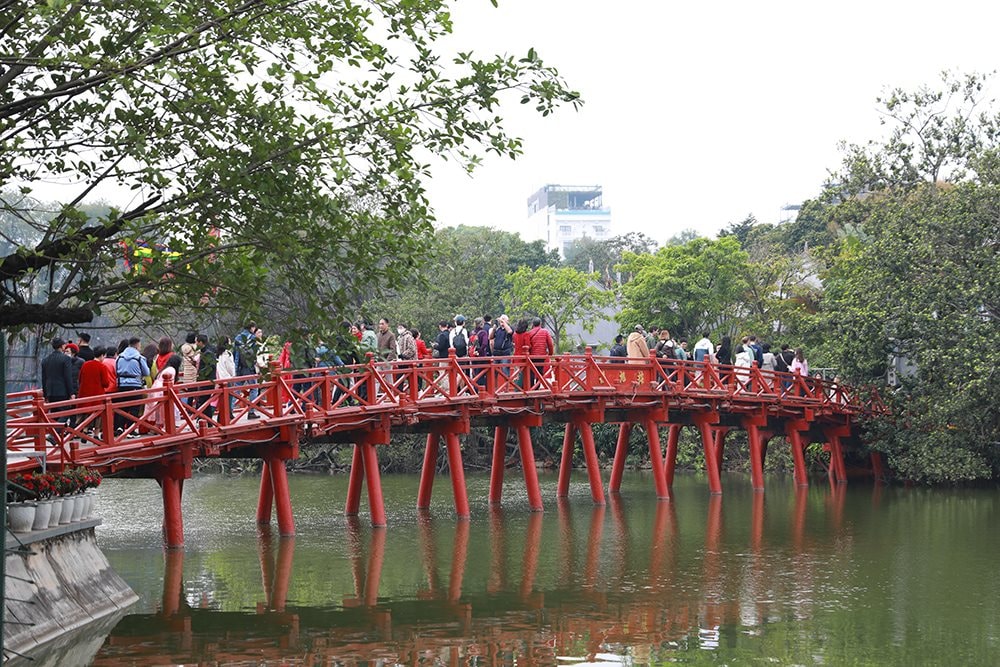
In Hanoi, sacred sites such as Tran Quoc Pagoda, One Pillar Pagoda, and Ngoc Son Temple become gathering points of spiritual energy during the first lunar days.
Red-lacquered gates. Moss-covered stone courtyards. Incense spirals floating into pale spring light.
The architectural aesthetic — curved roofs, wooden beams, golden altars — reflects centuries of Vietnamese craftsmanship and spiritual symbolism. The temple becomes a threshold between the earthly and the sacred.
2. Incense, Offerings, and Symbolism
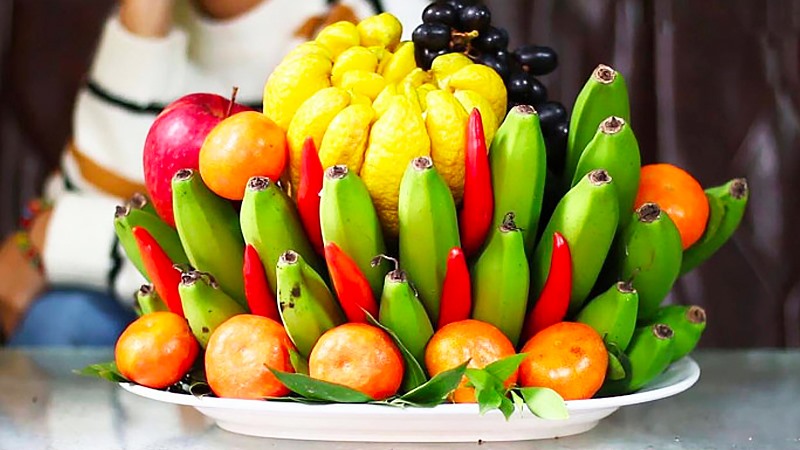
Offerings are carefully prepared:
-
A five-fruit tray (mâm ngũ quả) symbolizing harmony and abundance
-
Fresh flowers such as chrysanthemums and peach blossoms
-
Sticky rice, sweets, and betel leaves
-
Incense sticks — bridges between human wishes and divine realms
Each element carries symbolic meaning. The act of lighting incense is both personal and communal — a silent dialogue with ancestors and deities.
3. The Elegance of Áo Dài in Spring
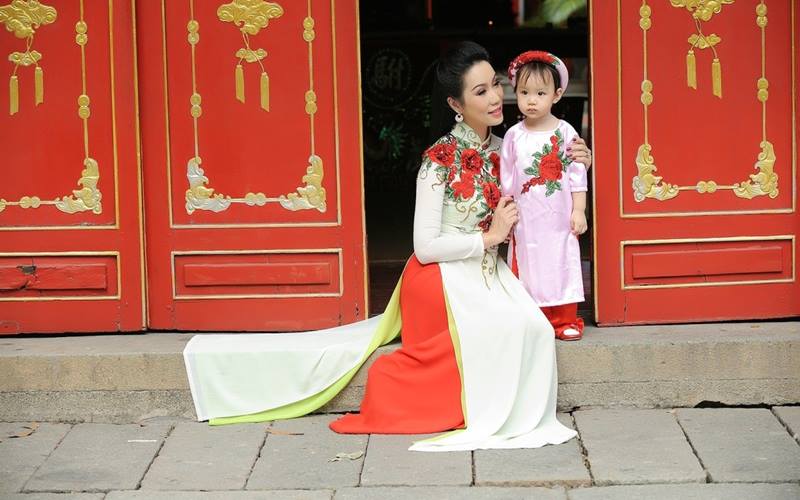
During “đi lễ đầu xuân”, many women and families wear áo dài in shades of red, pink, and ivory.
The flowing silhouette against ancient temple backdrops creates a cinematic harmony between tradition and modernity. Young generations pose for photographs, yet the essence remains reverent — preserving cultural continuity while expressing contemporary identity.
Best Places in Hanoi for Đi Lễ Đầu Xuân
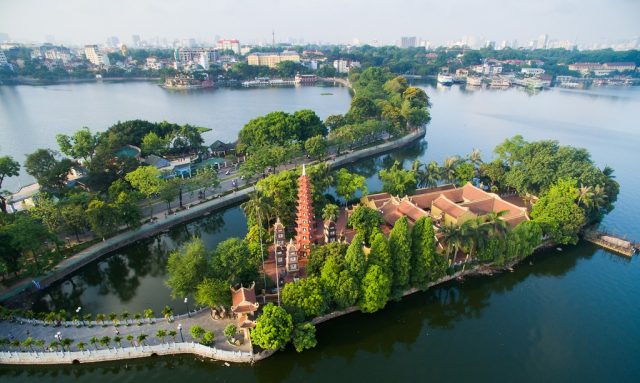
If you are visiting Hanoi during Lunar New Year, consider these iconic sites:
-
Tran Quoc Pagoda – The oldest pagoda in Hanoi, located by West Lake, offering serene lakeside views.
-
One Pillar Pagoda – A symbol of purity and resilience, shaped like a lotus rising from water.
-
Ngoc Son Temple – Situated on Hoan Kiem Lake, blending sacred architecture with scenic charm.
-
Quan Su Pagoda – Headquarters of the Vietnam Buddhist Sangha, known for its tranquil atmosphere during Tết.
Visiting early in the morning offers a quieter, more contemplative experience.
Etiquette Tips for First-Time Visitors
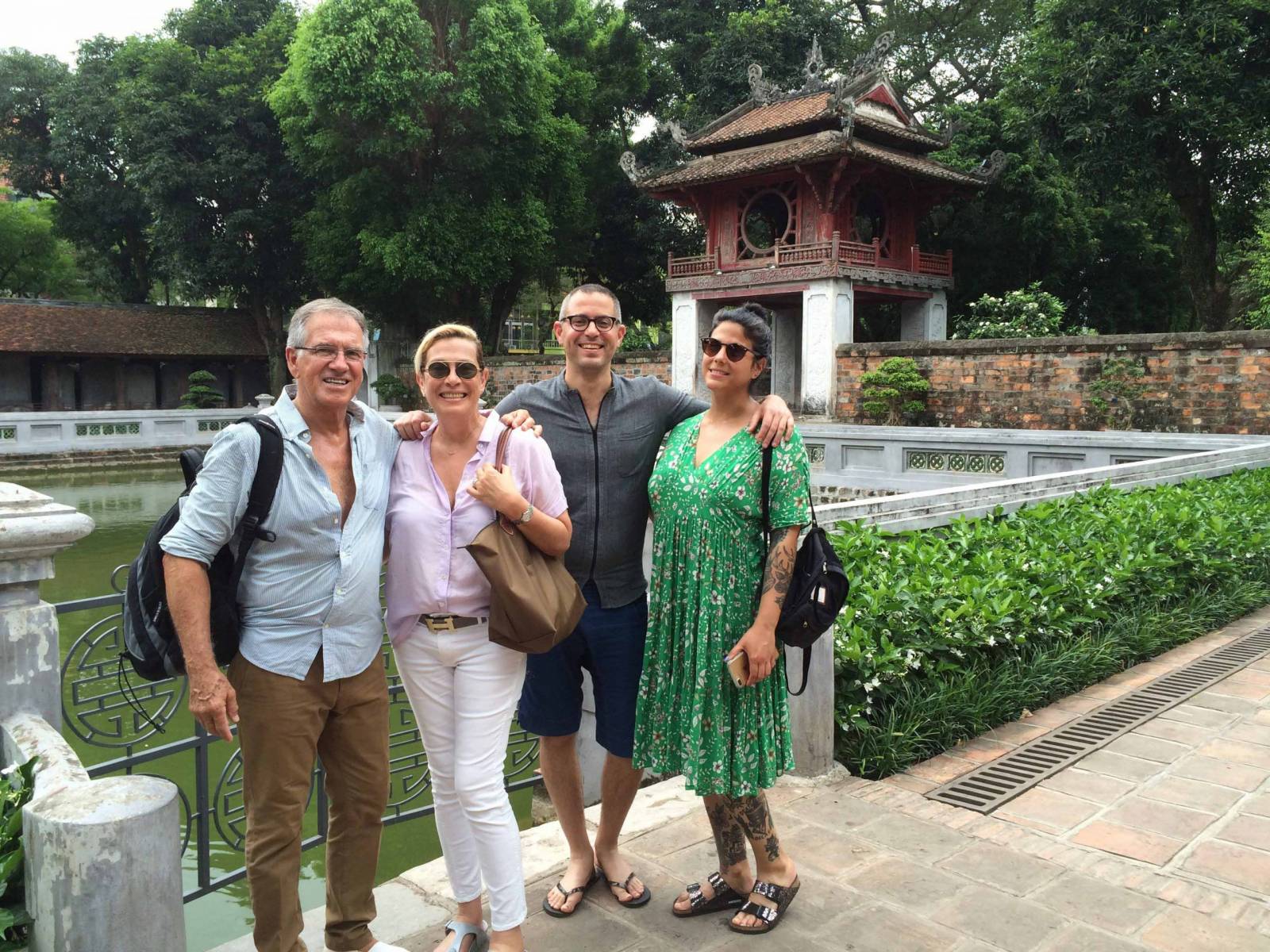
If you wish to respectfully participate in đi lễ đầu xuân:
-
Dress modestly (covered shoulders and knees)
-
Speak softly inside temple grounds
-
Offer incense thoughtfully, not excessively
-
Follow local guidance regarding offerings and rituals
Remember: the beauty of the tradition lies in sincerity, not extravagance.
Experiencing Vietnamese Cultural Traditions During Tết
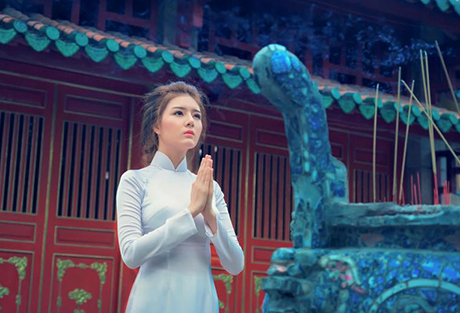
For travelers, witnessing đi lễ đầu xuân offers a rare glimpse into Vietnam’s living heritage — where spirituality meets aesthetics, and ritual meets rhythm.
The scent of incense. The rustle of silk áo dài. The echo of temple bells.
It is in these quiet gestures that the Vietnamese welcome spring — not only as a season, but as a state of renewal.
Grand Mercure Hanoi’s Tet Staycation Package is here to accompany you on your Lunar Tet Discover journey.
Images source: Bao Lao Dong, Bao Nhan Dan, TTXVN.
Grand Mercure Hanoi ☆☆☆☆☆
9 Cat Linh, O Cho Dua Ward, Hanoi, 100000 Hanoi
Vietnam
Tel: +84 24 3211 5757
Fax:+84 24 3244 4747
Email:
H6936@accor.com

Follow us
Stay in touch and connected to all the news and happenings.