Grand Mercure Hanoi - Upscale hotels & resorts
- "Hat Then": The Ancient Song That Bridges Earth and Heaven
Grand Mercure Hanoi
Languages en
en
en
- English
- Tiếng Việt
- See this hotel on all.accor.com or brand website in other languages :
"Hat Then": The Ancient Song That Bridges Earth and Heaven
Introduction
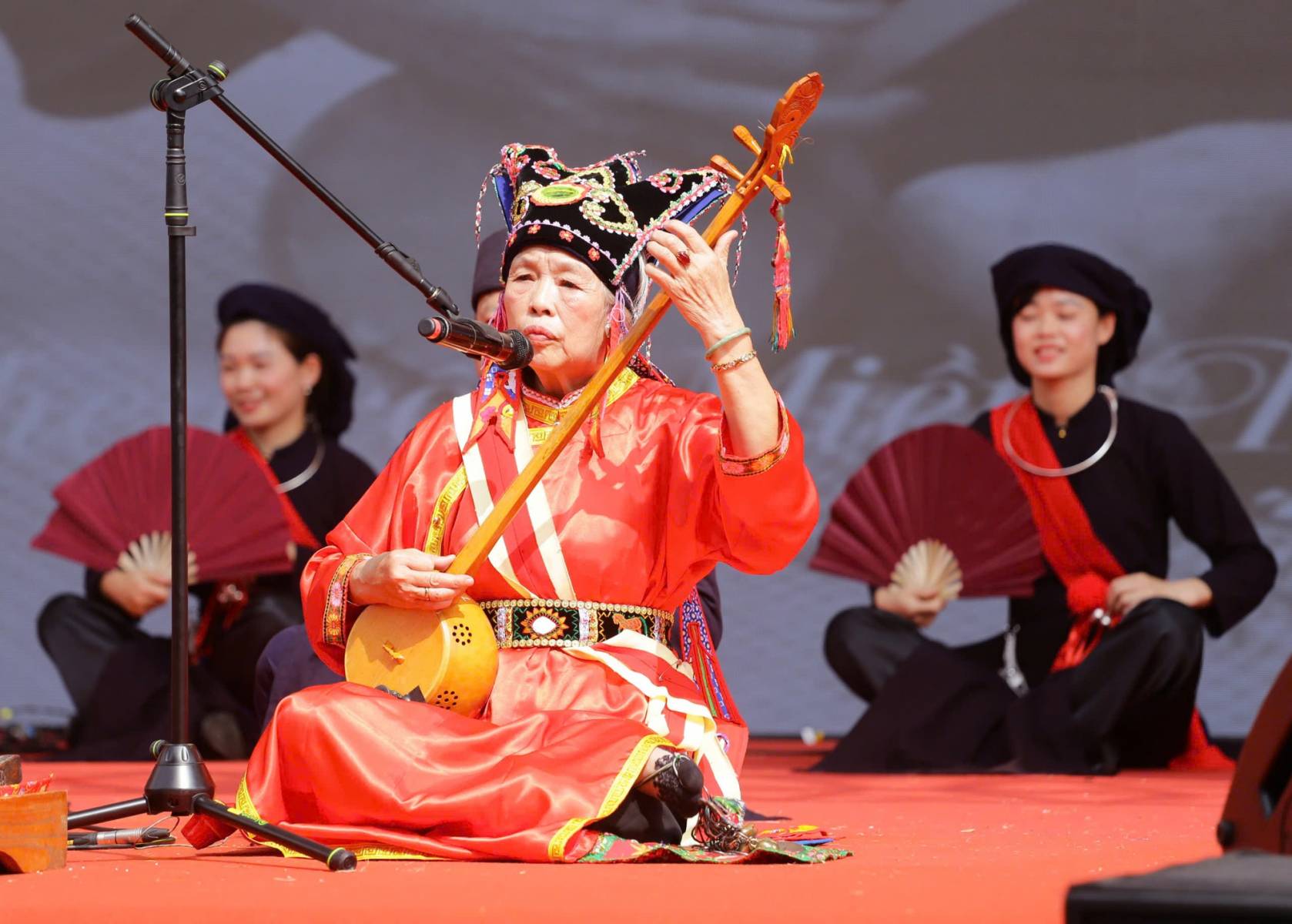
Somewhere in the misty highlands of northern Vietnam, a melody rises — ancient, unhurried, and deeply human. It is the sound of Hát Then, a ritual song form that has echoed through the mountains for centuries, carried on the voices of the Tày, Nùng and Thái ethnic peoples who have called these lands home since long before memory.
In 2019, UNESCO inscribed the Practices of Then on its Representative List of the Intangible Cultural Heritage of Humanity — a recognition that places this extraordinary art form alongside the world’s most treasured living traditions. For travellers staying at Grand Mercure Hanoi, understanding Hát Then is more than a cultural footnote; it is an invitation to encounter Vietnam’s spiritual and artistic soul.
What Is Hát Then?
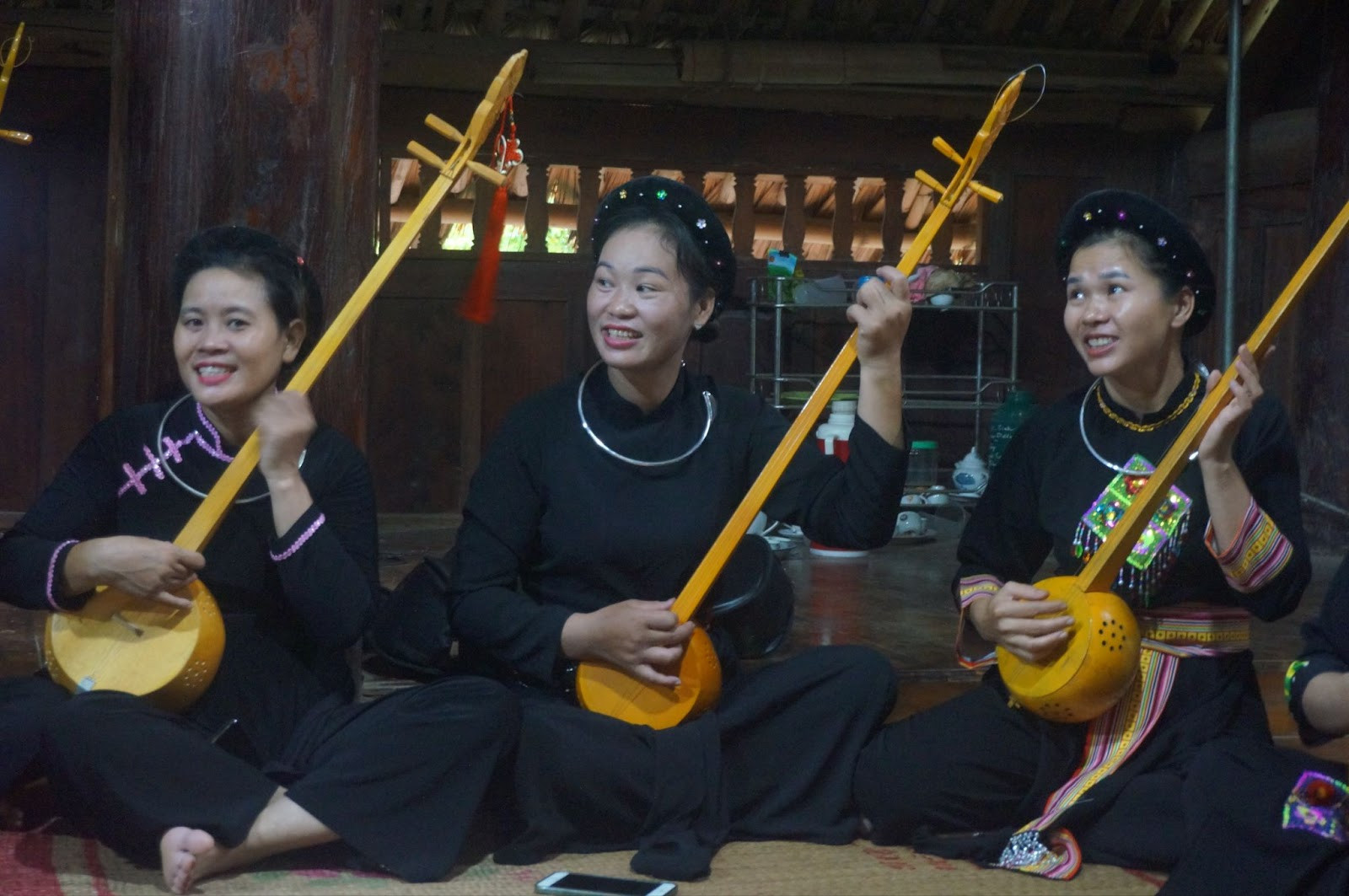
The word “Then” roughly translates to “Heaven” or “Celestial” in the Tày language — and that etymology speaks volumes about its nature. Hát Then is not simply music. It is a sacred ritual practice, a form of prayer sung to the universe.
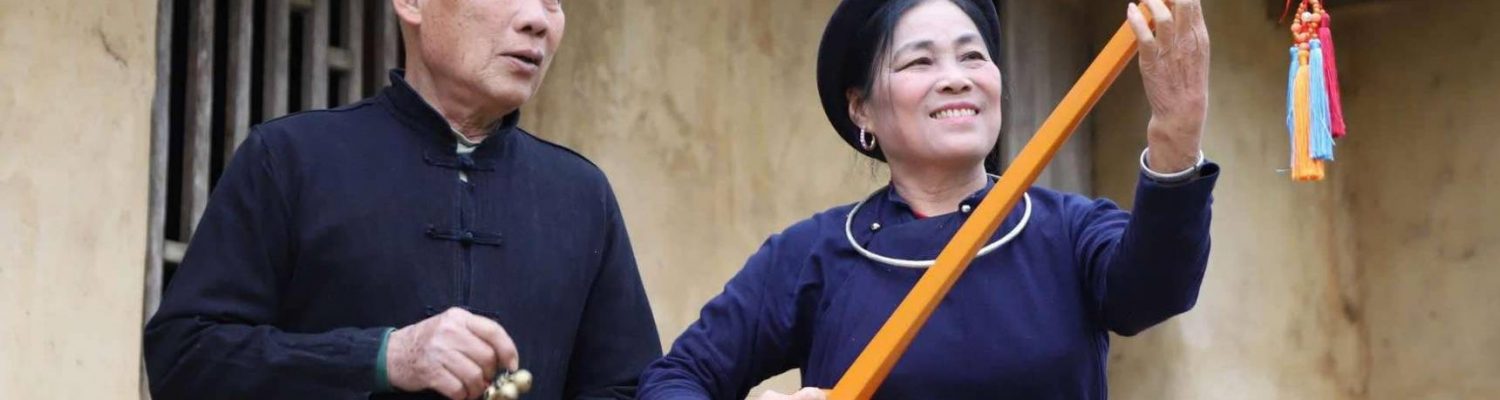
At the heart of every Then ceremony is the Then Master (Thầy Then), a trained practitioner — male or female — who leads a spiritual journey. Through song and the gentle plucking of the tính lute (đàn tính), the Then Master narrates a voyage in which celestial soldiers travel from the earthly realm to the heavens, carrying offerings and prayers to the gods. These prayers may seek health and longevity, abundant harvests, protection from misfortune, or a joyful new year.
✦ The đàn tính is a long-necked lute with a gourd resonator, and its warm, resonant tone is inseparable from the identity of Hát Then. To hear it played is to understand the sound of the northern highlands.
A Living Heritage: History and Origins
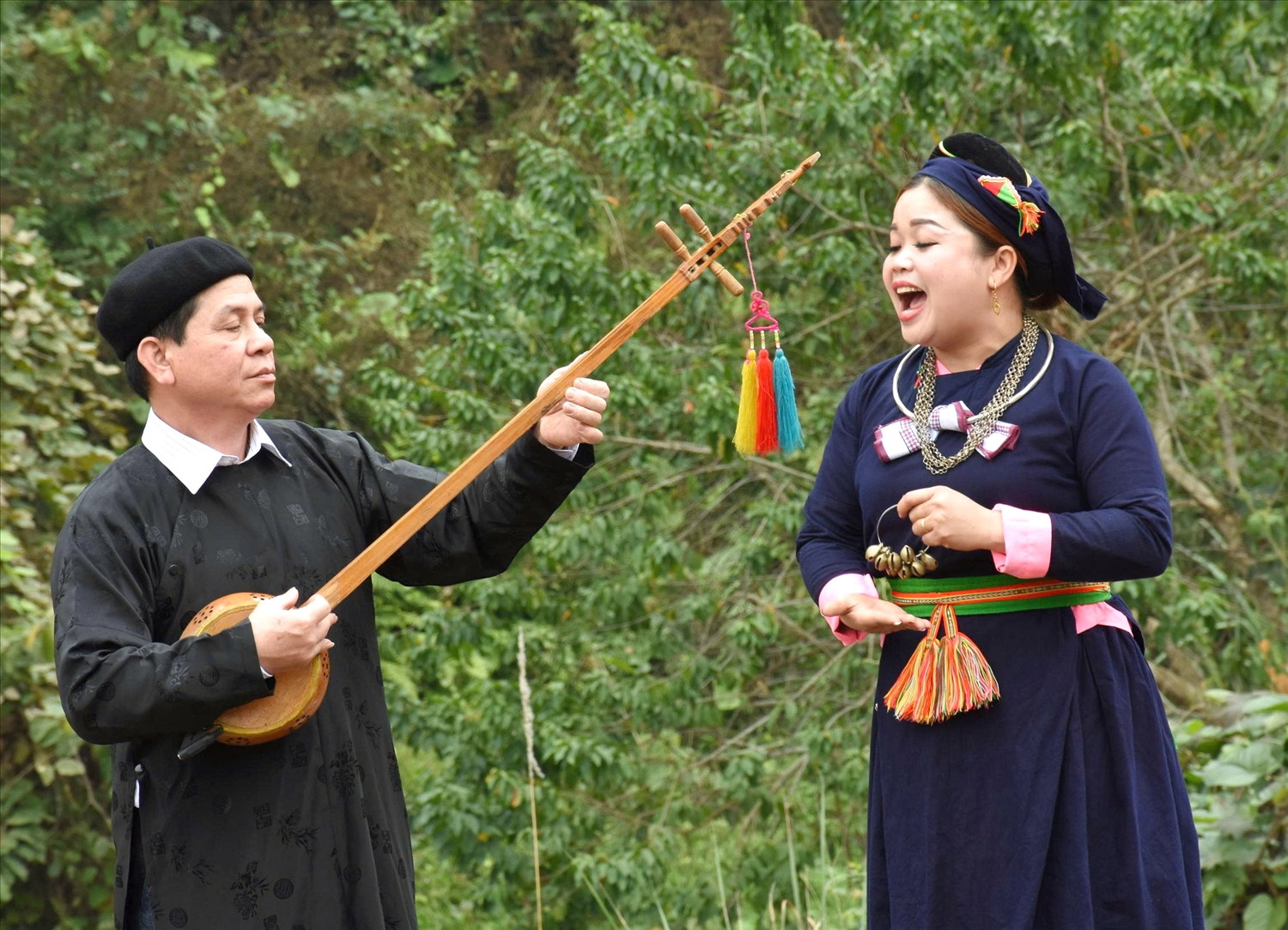
Hát Then has been practised for generations among the Tày, Nùng and Thái ethnic communities — three of Vietnam’s 54 officially recognised ethnic groups — primarily in the mountainous provinces of northern Vietnam. These include Bắc Giang, Bắc Kạn, Cao Bằng, Hà Giang, Lạng Sơn, Quảng Ninh and Tuyên Quang in the northeast, and Điện Biên, Lai Châu and Lào Cai in the northwest.
Unlike many art forms that evolved primarily for public entertainment, Then was born of community need — rooted in the belief that music could serve as a bridge between the human world and the divine. It was, and remains, performed during major milestones: the Lunar New Year, ploughing ceremonies, rituals for health and healing, and celebrations marking the rhythms of agricultural life.
Transmission has historically been oral and deeply personal. Then Masters pass their knowledge to apprentices through lived practice, ensuring that the music, ceremonial gestures, and spiritual knowledge flow through generations with living fidelity rather than through books or recordings alone.
The Art Form: Music, Costume, and Ceremony
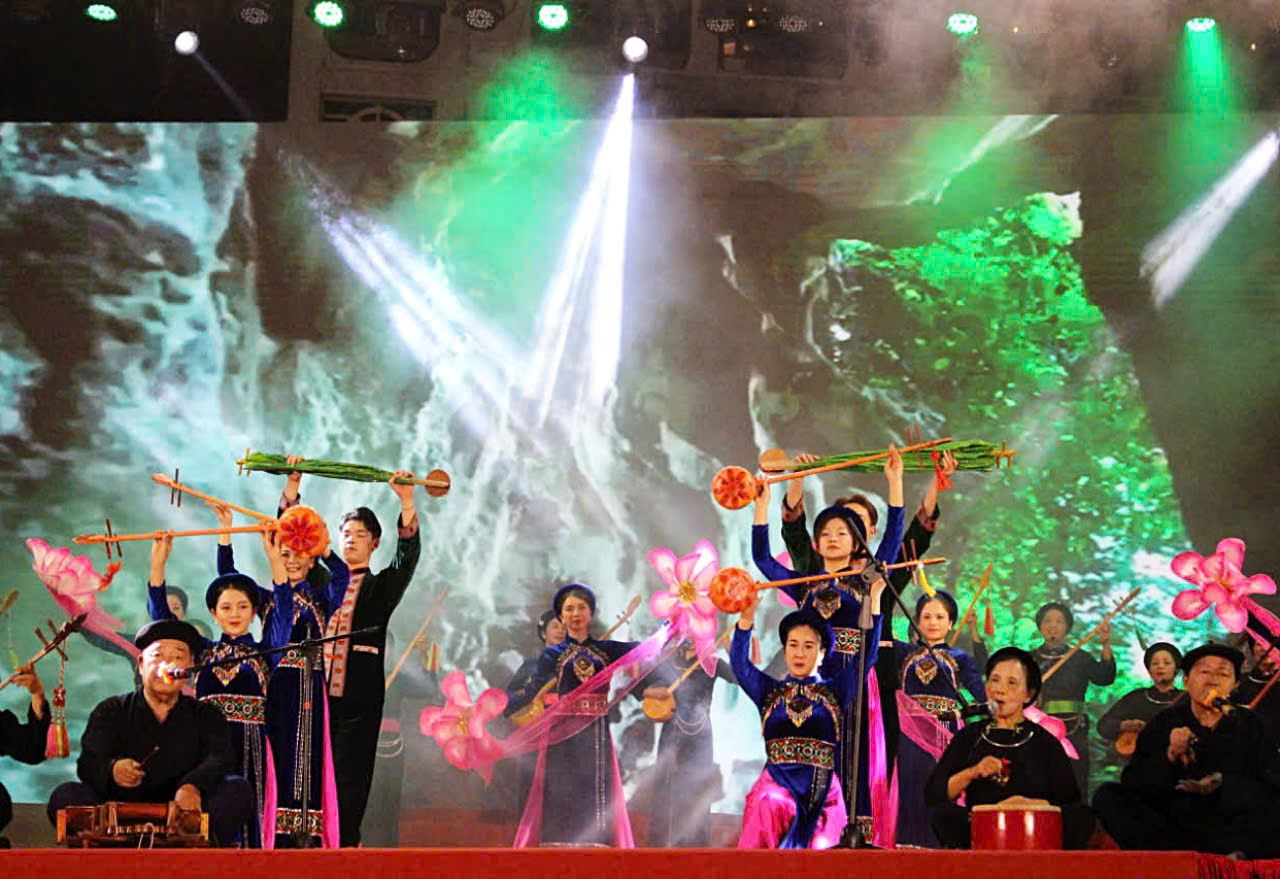
A Then performance is a multi-sensory experience. The Then Master arrives in ceremonial dress — richly adorned, reflective of their role as a spiritual intermediary. As the tính lute begins to sound, the singing unfolds in a distinctive melodic style: ornate, expressive, and shaped by the tonal qualities of the Tày language.
Ritual objects accompany the ceremony: a demon-expelling sword, a yin and yang rod, a bell. These are not mere props; they are instruments of spiritual function, each carrying meaning within the cosmological framework of the performance. The ceremony may take place in a home, outdoors, or at the Then altar maintained by the Master.
As a practice, Then is also a synthesis of many art forms — literature, music, performance, movement and visual symbolism converge in a single ceremony. It is, in this sense, one of the most complete expressions of intangible cultural heritage in Vietnam.
UNESCO Recognition: Why It Matters
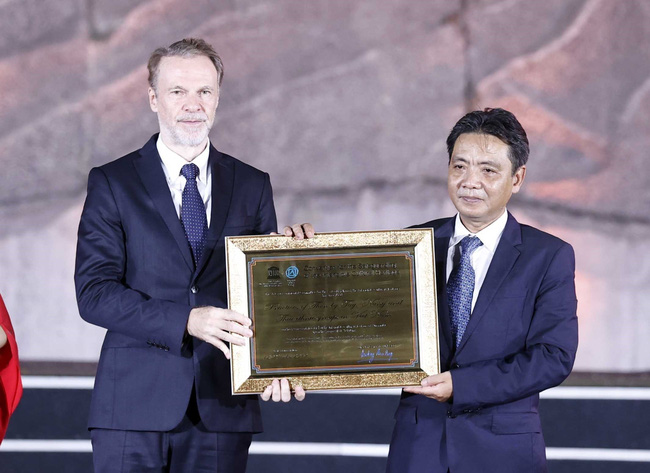
On 13 December 2019, the Intergovernmental Committee for the Safeguarding of the Intangible Cultural Heritage formally inscribed Then on UNESCO’s Representative List. Vietnam’s dossier described the practice as an essential ritual in the spiritual life of the Tày, Nùng and Thái peoples, one that reflects their profound bonds with nature, the cosmos and one another.
This recognition places Hát Then within Vietnam’s remarkable portfolio of UNESCO-inscribed intangible heritage, which now includes seventeen elements — among them Quan Họ folk songs, Ca Trù sung poetry, Nhã Nhạc royal court music and Xoan singing of Phú Thọ. Together, these traditions represent an extraordinary depth of artistic and spiritual expression across Vietnam’s many cultures.
✦ Vietnam is currently among the top ten nations in the world for the number of UNESCO-recognised intangible cultural heritage elements — a testament to the country’s extraordinary cultural diversity.
Experiencing Hát Then: A Guide for Travellers
For guests exploring Vietnam’s north from a base in Hanoi, Then can be experienced in several meaningful ways:
Northern Highland Provinces: The most immersive experiences can be found in Cao Bằng, Lạng Sơn and Tuyên Quang — provinces with strong Tày and Nùng communities. Local cultural festivals, particularly around Tết (Lunar New Year) and the spring ploughing season, may include Then performances.
Vietnam Museum of Ethnology, Hanoi: Located just a short distance from Grand Mercure Hanoi, this world-class museum regularly hosts demonstrations and performances of Vietnam’s ethnic minority traditions, including Then. It is an excellent starting point for guests wishing to contextualise their experience.
Cultural Festivals: Keep an eye on the calendar for provincial cultural festivals in the north, which frequently feature Then performances as part of broader celebrations of ethnic minority heritage.
✦ Grand Mercure Hanoi’s concierge team is always available to assist guests in planning culturally immersive day trips or recommending authentic performances of Vietnam’s traditional arts.
Preserving a Treasure: The Challenge Ahead
Like many forms of intangible heritage, Hát Then faces the pressures of modernity. The oral transmission model that has sustained it for centuries is vulnerable to demographic change, urbanisation and the shifting cultural priorities of younger generations. UNESCO recognition, while vital, is only one tool in a broader effort to ensure these practices endure.
Communities, cultural organisations and the Vietnamese government continue to work to document, teach and promote Then — establishing clubs, schools and performance groups that carry the tradition into new contexts without stripping it of its meaning. For every traveller who encounters Hát Then with curiosity and respect, that work is quietly supported.
A Song Worth Listening To
Vietnam is a country of extraordinary sonic richness — from the bustle of Hanoi’s Old Quarter to the highland stillness where Hát Then was born. To hear it, even once, is to understand something about the Vietnamese relationship with the natural world, with community, and with the invisible forces that connect us all.
At Grand Mercure Hanoi, we invite our guests to venture beyond the familiar and discover the living culture that surrounds them — one song, one story, one tradition at a time.
Source image: Lao Dong Newspaper, Tien Phong Newspaper.
Grand Mercure Hanoi ☆☆☆☆☆
9 Cat Linh, O Cho Dua Ward, Hanoi, 100000 Hanoi
Vietnam
Tel: +84 24 3211 5757
Fax:+84 24 3244 4747
Email:
H6936@accor.com

Map
Satellite
Street View
3D View
Follow us
Stay in touch and connected to all the news and happenings.