Grand Mercure Hanoi - Upscale hotels & resorts
- Phu Tay Ho Temple, Hanoi: History, Architecture and a Guide for First-Time Visitors
Grand Mercure Hanoi
Languages en

en
- English
- Tiếng Việt
- See this hotel on all.accor.com or brand website in other languages :
Phu Tay Ho Temple, Hanoi: History, Architecture and a Guide for First-Time Visitors
Set against the tranquil backdrop of West Lake, Phu Tay Ho Temple is one of Hanoi’s most significant spiritual and cultural landmarks. Closely associated with the worship of Mother Goddess Lieu Hanh, the temple draws visitors throughout the year with its traditional architecture, rich folklore and enduring place in Vietnamese spiritual life. Whether you are interested in local history, traditional beliefs or simply discovering a quieter side of the capital, a visit to Phu Tay Ho offers a meaningful glimpse into Hanoi’s cultural heritage.
1. Discover the History of Phu Tay Ho Temple
The Legend Behind Phu Tay Ho
Phu Tay Ho Temple is closely associated with the worship of Mother Goddess Lieu Hanh, one of the most revered figures in Vietnamese folk religion. She holds an important place in the Mother Goddess worship tradition, which reflects Vietnamese beliefs about nature, prosperity, protection and the relationship between people and the spiritual world.
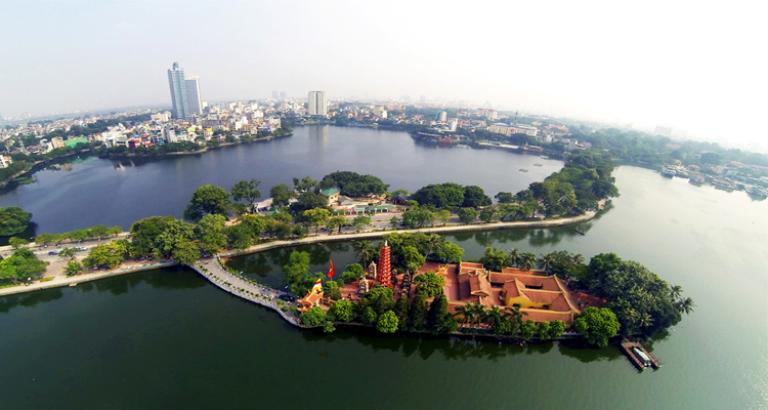
According to folklore, Lieu Hanh was Princess Quynh Hoa, the daughter of the Jade Emperor. After descending to the earthly realm, she became associated with the West Lake area, where stories of her encounters and spiritual presence have been passed down through generations.
The temple is believed to have originated around the 17th century and has undergone various renovations over time. Today, it remains an important place of worship for local residents and a cultural destination for visitors seeking to understand Hanoi’s traditional beliefs and customs.
Where Is Phu Tay Ho Temple Located?
Phu Tay Ho Temple stands on a peninsula extending into West Lake, in Hanoi’s Tay Ho area. Its lakeside setting creates a peaceful atmosphere that contrasts with the lively pace of the surrounding city.
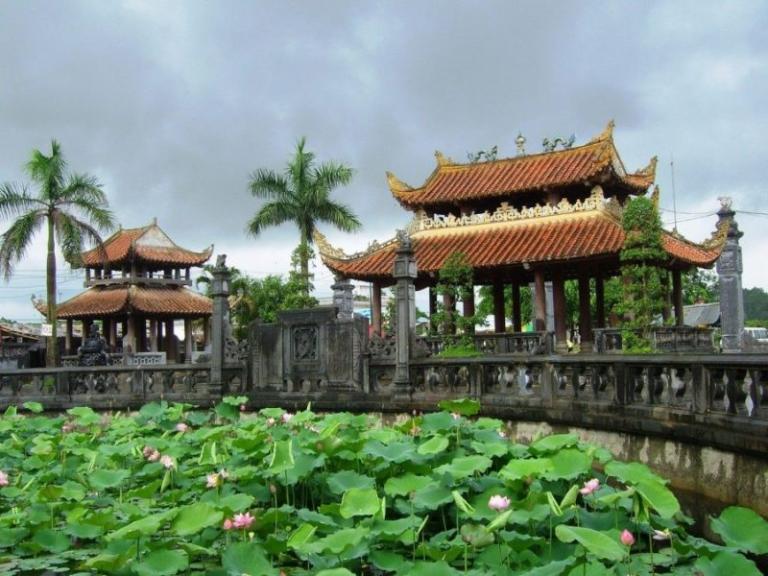
Visitors can reach the temple by taxi, ride-hailing services or private transport from central Hanoi. For a more immersive experience, consider combining your visit with a leisurely journey around West Lake, where historic landmarks, traditional neighbourhoods and scenic waterfront views offer plenty to explore.
2. Explore the Traditional Architecture of Phu Tay Ho Temple
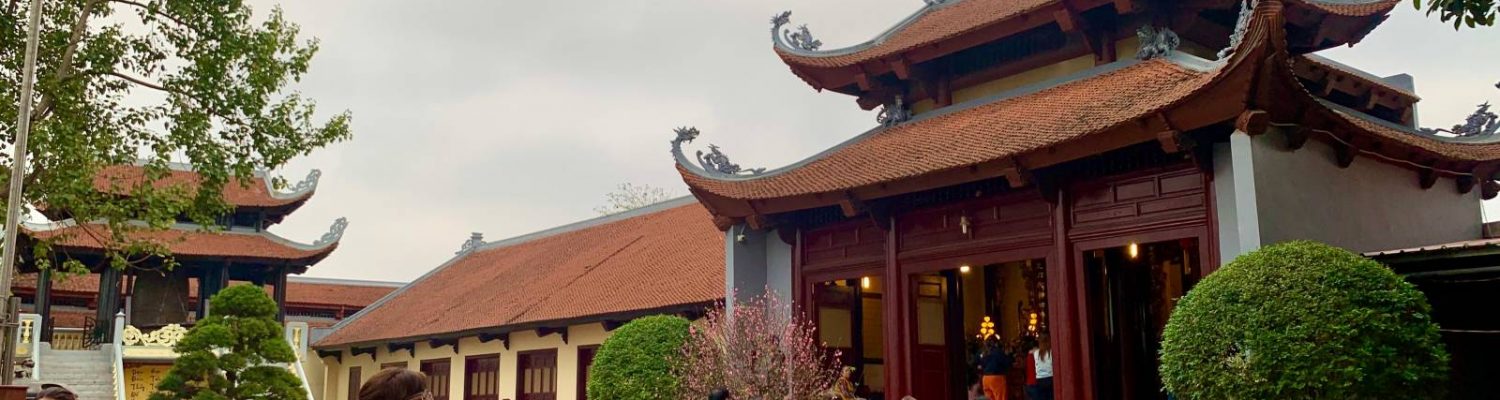
Beyond its spiritual significance, Phu Tay Ho Temple offers an opportunity to appreciate traditional Vietnamese architecture and decorative arts. Curved tiled roofs, ornamental details, ancestral altars and traditional inscriptions contribute to the distinctive character of this historic place of worship.
The Temple Entrance and Main Courtyard
Passing through the temple entrance, visitors arrive at an open courtyard leading towards the main worship areas. The layout follows traditional Vietnamese religious architecture, creating a gradual transition from the outer grounds to the more sacred spaces within.
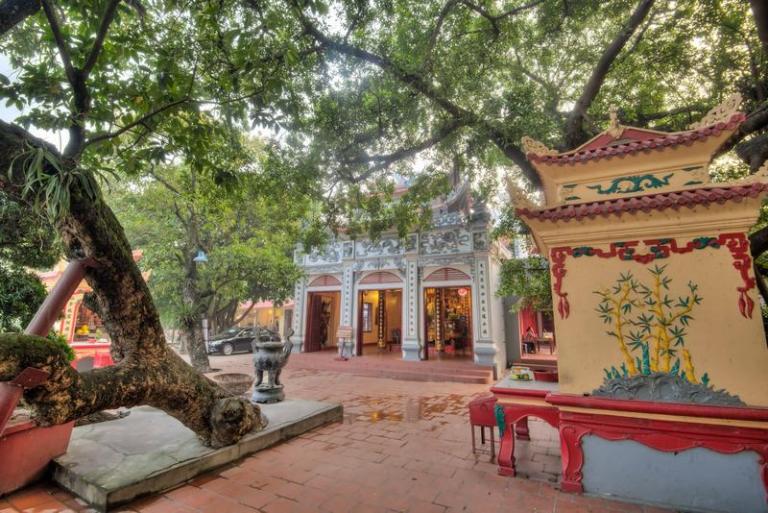
Look closely at the rooflines, decorative motifs and traditional inscriptions, which reflect the artistic traditions and cultural values associated with Vietnamese temples and shrines.
The Worship Halls and Altars
The worship areas form the spiritual heart of Phu Tay Ho Temple. Dedicated to Mother Goddess Lieu Hanh and other deities within Vietnamese folk beliefs, the altars are arranged according to traditional worship practices.
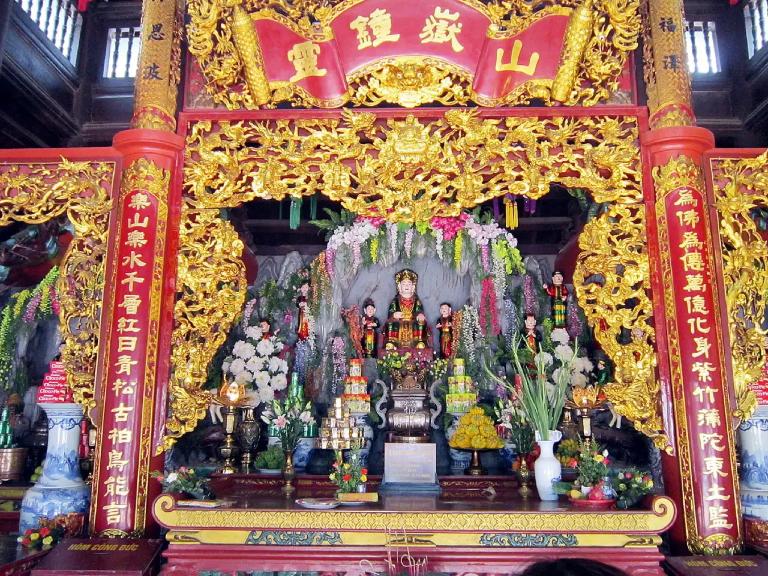
Incense tables, ceremonial objects, ornamental details and inscriptions create a solemn atmosphere that reflects the devotion of generations of worshippers.
Visitors are encouraged to explore respectfully, speak quietly and follow any instructions provided by temple staff, particularly when ceremonies are taking place.
The Smaller Shrines and Temple Grounds
Smaller worship spaces, including shrines traditionally known as Lau Co and Lau Cau, form part of the temple complex and reflect the broader system of deities in Vietnamese folk religion.
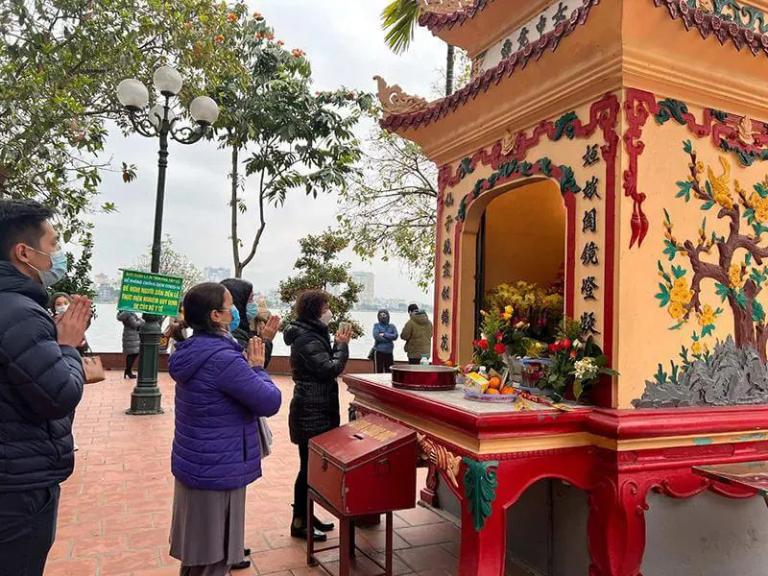
The surrounding greenery and open spaces add to the peaceful character of the grounds. Together, the architecture and natural setting offer visitors a chance to slow down and appreciate a different side of Hanoi.
3. Who Is Worshipped at Phu Tay Ho Temple?
The principal figure worshipped at Phu Tay Ho Temple is Mother Goddess Lieu Hanh, a central figure in Vietnamese Mother Goddess worship. She is revered as a protective and benevolent deity, associated with wishes for peace, good health, family happiness and prosperity.
Mother Goddess worship reflects the Vietnamese people’s longstanding relationship with nature and the spiritual world, as well as the cultural importance of motherhood and feminine divinity.
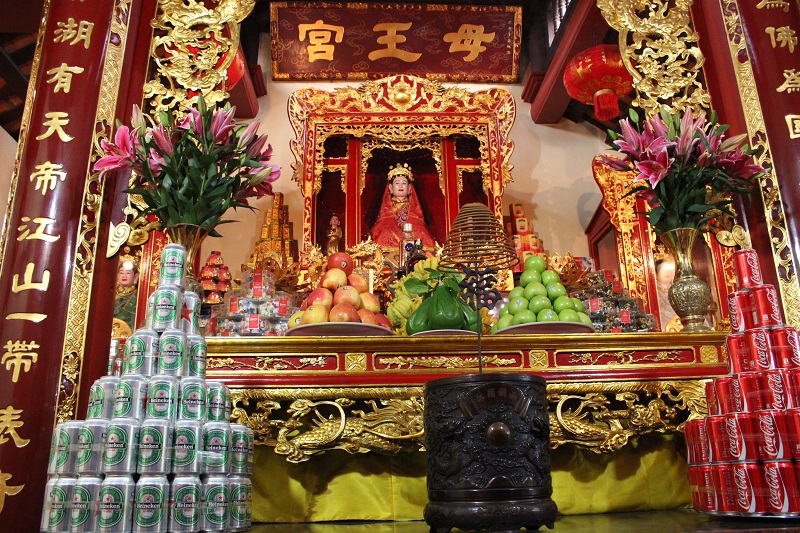
In 2016, Practices Related to the Viet Beliefs in the Mother Goddesses of Three Realms was inscribed on UNESCO’s Representative List of the Intangible Cultural Heritage of Humanity. This recognition highlights the tradition’s cultural significance, community participation and rich artistic expressions.
For local worshippers, visiting Phu Tay Ho is more than a religious observance. It is also an opportunity to maintain cultural traditions and express hopes for the wellbeing of their families. For international visitors, the temple provides valuable insight into the beliefs and customs that continue to shape everyday life in Hanoi.
4. A First-Time Visitor’s Guide to Worship at Phu Tay Ho Temple
If this is your first visit, there is no need to prepare elaborate offerings. Respect, sincerity and consideration for the temple environment are the most important aspects of the experience.
What Offerings Should You Prepare?
Depending on personal beliefs and local customs, visitors may bring simple vegetarian offerings such as fresh flowers, fruit or other traditional items. Incense may also be used where permitted.
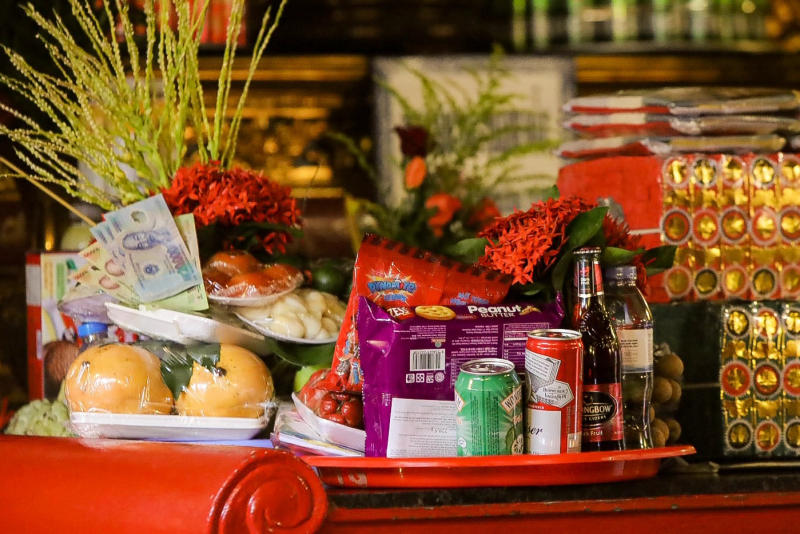
There is no need to purchase expensive offerings. If you are unfamiliar with local practices, observe how worshippers proceed or ask temple staff for guidance. Always place offerings in designated areas and follow the temple’s rules.
Basic Steps for Visiting and Worshipping
First-time visitors can follow these general guidelines:
- Step 1 – Prepare your offerings: Choose simple, appropriate items and check whether there are any restrictions on their use.
- Step 2 – Present your offerings: Place them in the designated area without disturbing other worshippers.
- Step 3 – Offer a prayer: Take a quiet moment to express your wishes for health, peace and happiness for yourself and your family. A formal prayer is not essential if you are unfamiliar with the tradition.
- Step 4 – Conclude your visit respectfully: Follow local instructions regarding offerings and blessings, keep the surroundings tidy and avoid leaving rubbish behind.
Practices may vary between altars and individual worshippers. Visitors should follow guidance at the temple rather than assume that a single ritual sequence applies everywhere.
Dress Code and Important Etiquette
To ensure a respectful visit, keep the following points in mind:
- Wear modest clothing appropriate for a religious site.
- Speak quietly and avoid disrupting ongoing ceremonies.
- Ask permission or check local rules before taking photographs or filming in restricted areas.
- Do not touch sacred objects, move offerings or place donations outside designated areas.
- Follow instructions regarding incense, candles and votive paper offerings.
- Keep personal belongings secure, especially during busy periods.
A meaningful visit is not defined by the value of the offerings, but by respect for the temple, its traditions and the people who come to worship.
5. When Is the Best Time to Visit Phu Tay Ho Temple?
Phu Tay Ho Temple welcomes visitors throughout the year, although certain periods attract significantly larger crowds.
During the Lunar New Year
The first days of the Lunar New Year are among the busiest times at the temple. Many people visit to pray for good fortune, health and prosperity in the year ahead.
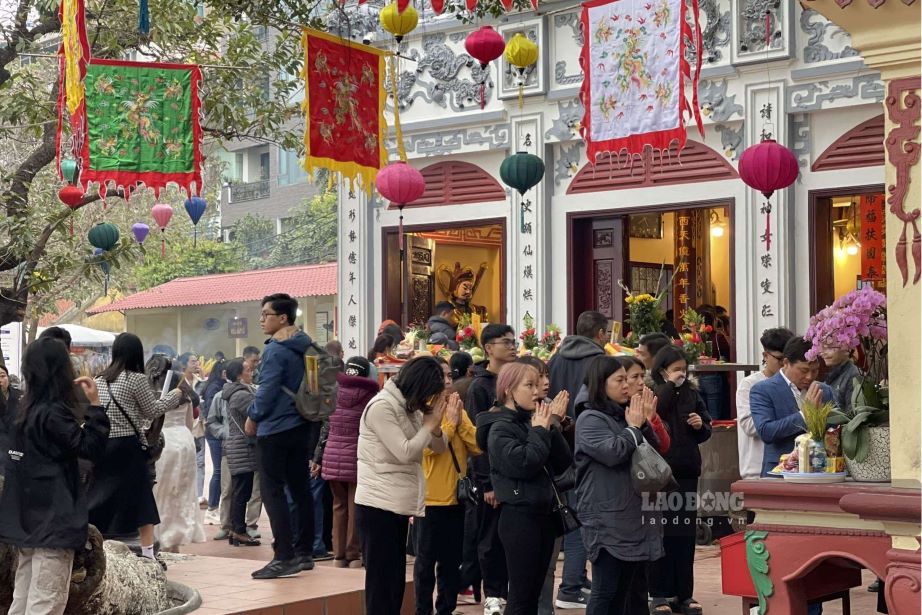
The atmosphere can be particularly lively during the first lunar month and major festive occasions. If you prefer a quieter experience, consider visiting on a regular weekday and allow extra time for transport and parking.
Festivals Associated with Mother Goddess Lieu Hanh
Festive occasions associated with Mother Goddess Lieu Hanh offer an opportunity to learn more about Vietnamese Mother Goddess worship and its traditional ceremonial practices.
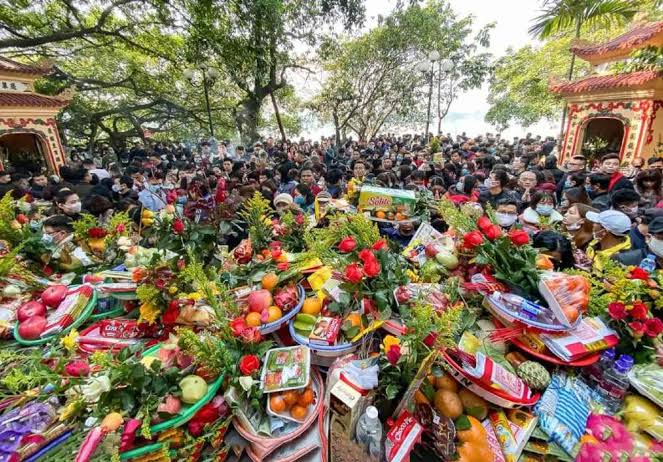
Festival schedules and specific ceremonies may vary. If you plan to attend a particular event, check local information in advance to confirm the date and programme.
Whether you visit during a festival or on an ordinary day, the temple offers an opportunity to explore local history, appreciate traditional architecture and gain a deeper understanding of Hanoi’s spiritual heritage.
Source: Internet
Grand Mercure Hanoi ☆☆☆☆☆
9 Cat Linh, O Cho Dua Ward, Hanoi, 100000 Hanoi
Vietnam
Tel: +84 24 3211 5757
Fax:+84 24 3244 4747
Email:
H6936@accor.com

Follow us
Stay in touch and connected to all the news and happenings.