Grand Mercure Hanoi - Upscale hotels & resorts
- Phu Thuong Sticky Rice Village – A Traditional Taste in the Heart of Hanoi
Grand Mercure Hanoi
Languages en
en
en
- English
- Tiếng Việt
- See this hotel on all.accor.com or brand website in other languages :
Phu Thuong Sticky Rice Village – A Traditional Taste in the Heart of Hanoi
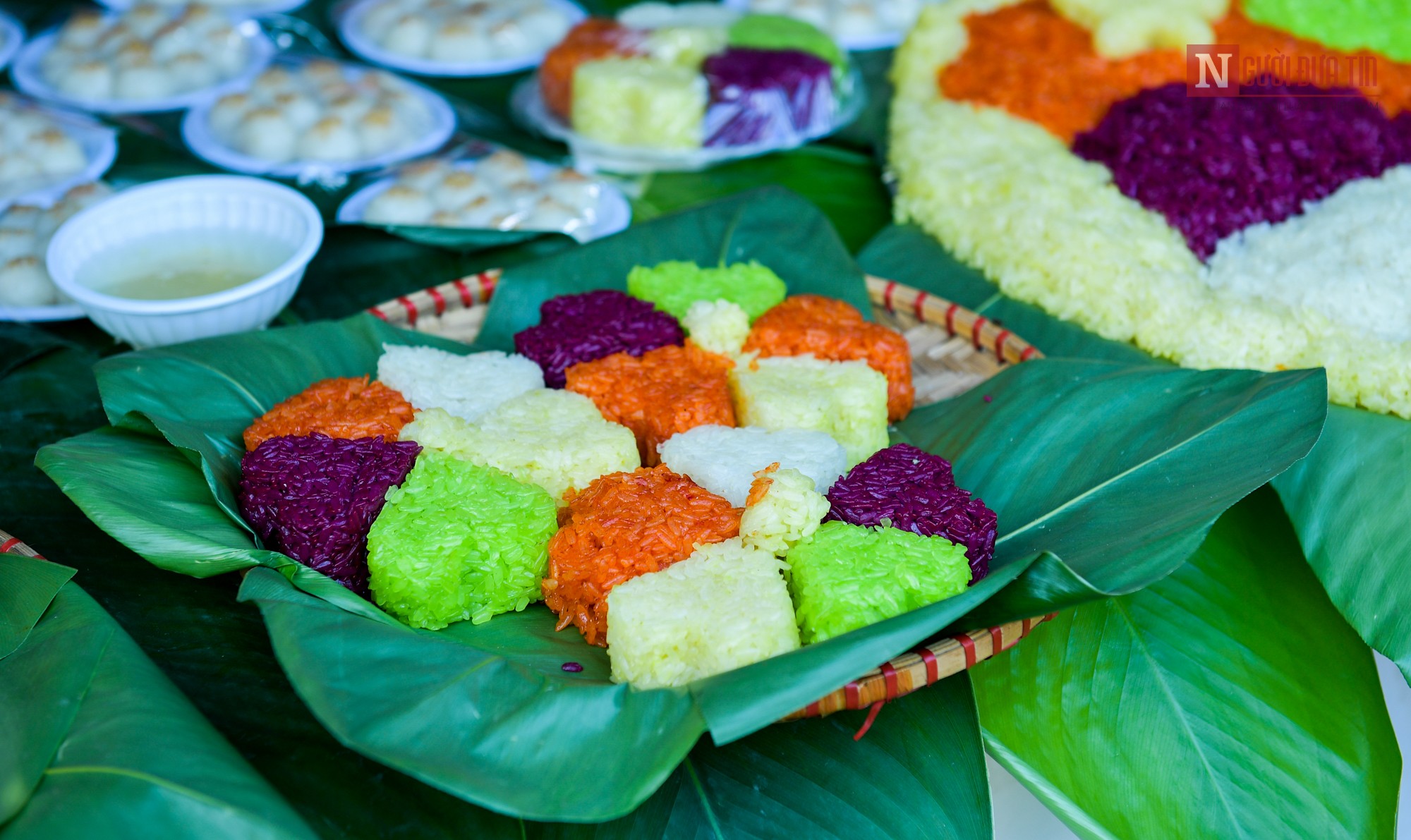
Every morning in Hanoi, alongside familiar bowls of pho and plates of bun cha, warm packets of sticky rice are an essential part of the capital’s daily rhythm. Steaming pots of sticky rice, carrying the gentle aroma of glutinous rice, have accompanied generations of Hanoians on their way to school and work, becoming a familiar flavor of the city’s streets.
source: doanhnghieptiepthi.vn
Behind these seemingly simple packets of sticky rice lies the story of a traditional craft village in Phu Thuong – the former Ga Village, located near West Lake and the Red River. Over many generations, the craft of making sticky rice has grown beyond a traditional occupation to become an integral part of the local community’s life and identity.
The Story Behind Phu Thuong Sticky Rice Village
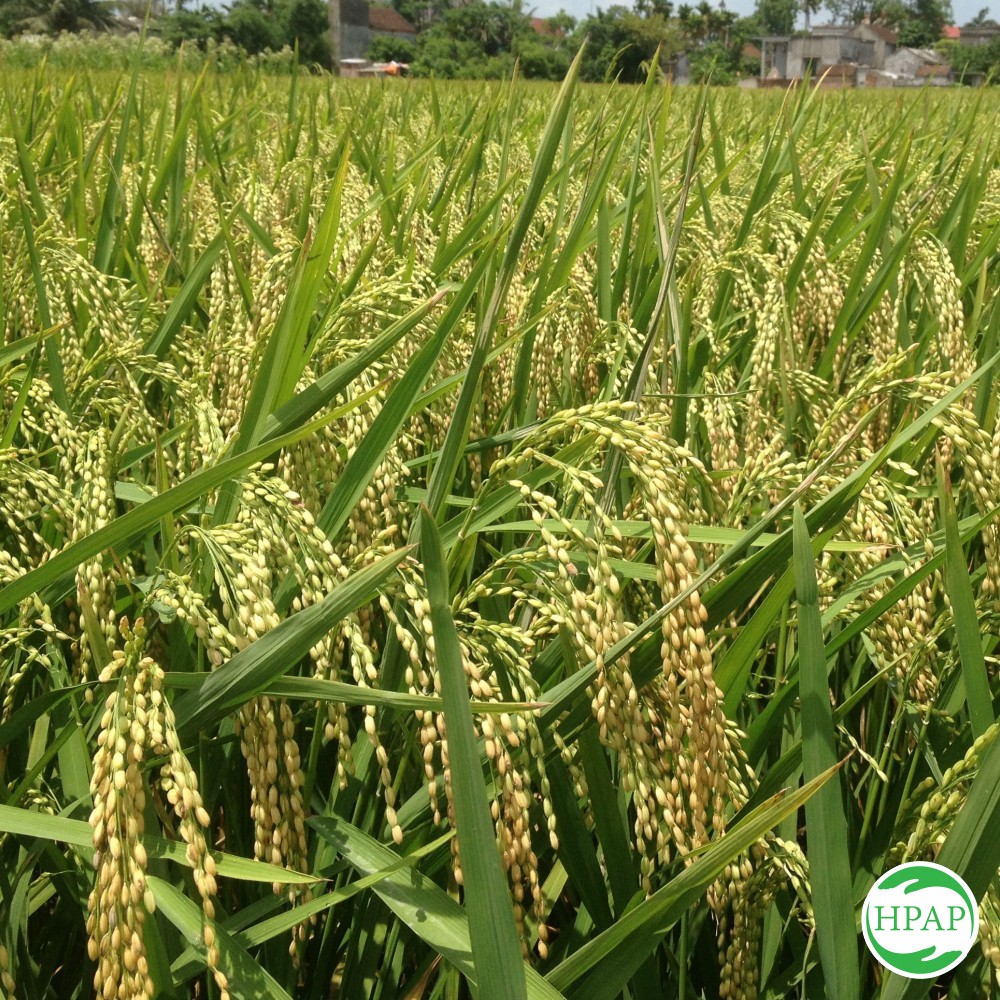
“Ga Village has an old banyan tree, a river for bathing, and the craft of making sticky rice” – this familiar saying has long connected the craft with Phu Thuong, where local people once relied mainly on agriculture for their livelihood. Thanks to its location near the Red River, the former Ga Village offered favorable conditions for rice cultivation, particularly aromatic glutinous rice varieties such as nep cai hoa vang and nep dau keo, both well suited to making sticky rice. With quality ingredients and knowledge accumulated over generations, sticky rice making gradually became a distinctive part of everyday life in Phu Thuong.
source: isc
What makes Phu Thuong sticky rice special lies not only in the recipe, but also in the skills and techniques that cannot easily be replicated. From selecting the rice and determining the right soaking time to controlling the amount of water, these methods have been passed down through generations, gradually creating the distinctive taste and character of Phu Thuong sticky rice.
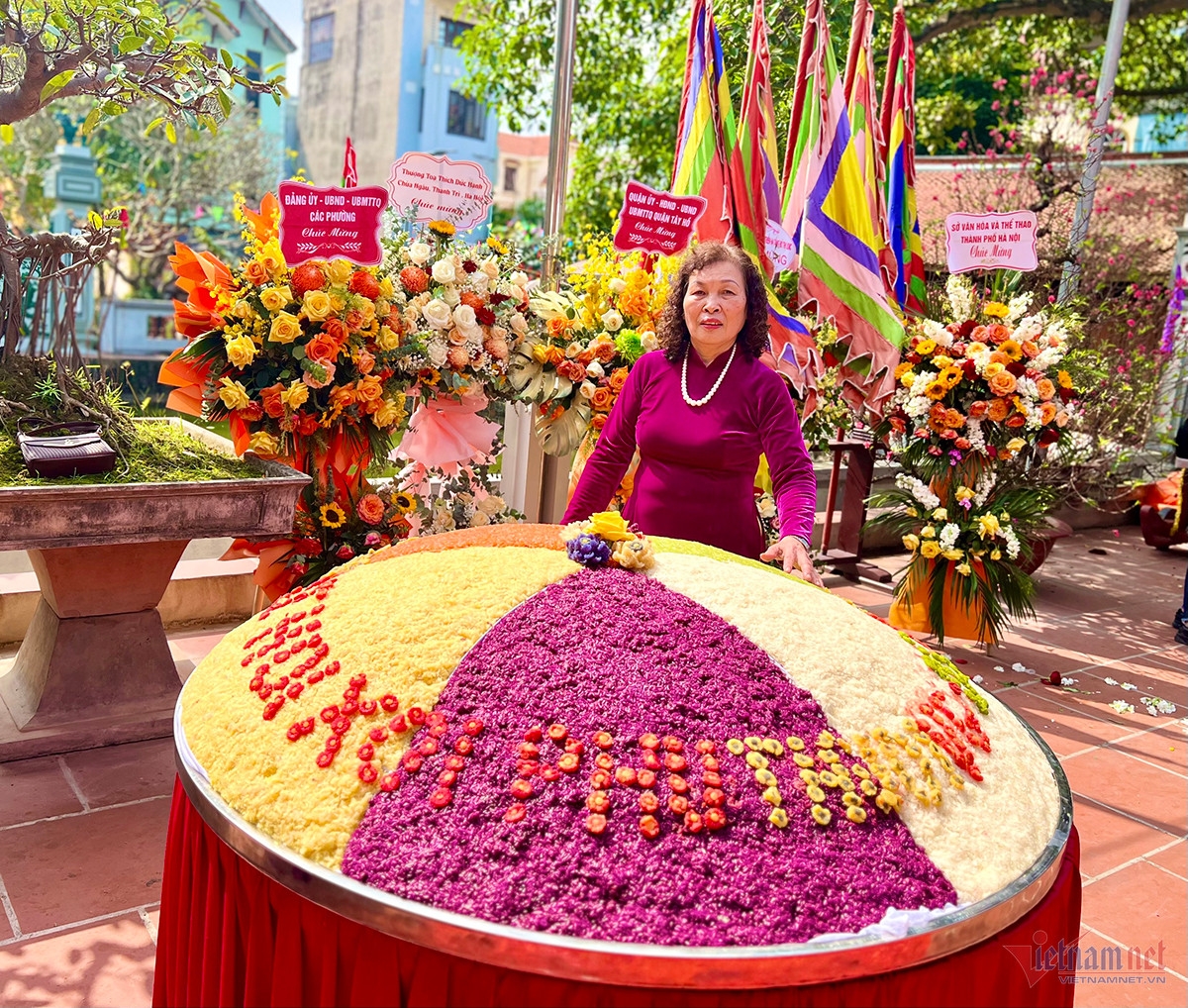
Once a supplementary occupation for farming families, sticky rice making gradually became an important part of the local community’s livelihood. In 2016, Phu Thuong was officially recognized as a traditional craft village. In 2024, the craft of making Phu Thuong sticky rice was inscribed on Vietnam’s National List of Intangible Cultural Heritage, recognizing the values, skills and knowledge that the community has preserved across generations.
source: vov2.vn
What Makes Phu Thuong Sticky Rice So Special?
To create a delicious batch of sticky rice, the people of Phu Thuong pay careful attention to the ingredients from the very beginning. The glutinous rice is carefully selected for even grains, natural fragrance and the right level of softness, with nep cai hoa vang and nep dau keo among the commonly used varieties. Before steaming, the rice is washed thoroughly, soaked for the appropriate amount of time, and prepared with mung beans, gac fruit or other ingredients depending on the type of sticky rice.
The most important step is the steaming process, which requires the cook to carefully control the heat, steam and moisture. The heat must not be too high, which could make the rice overly soft, nor too low, which would slow down the cooking process. When the rice is nearly cooked, it is usually gently turned so that the steam can spread evenly before being steamed a little longer, allowing the grains to cook evenly without clumping together.
source: nguoiduatin
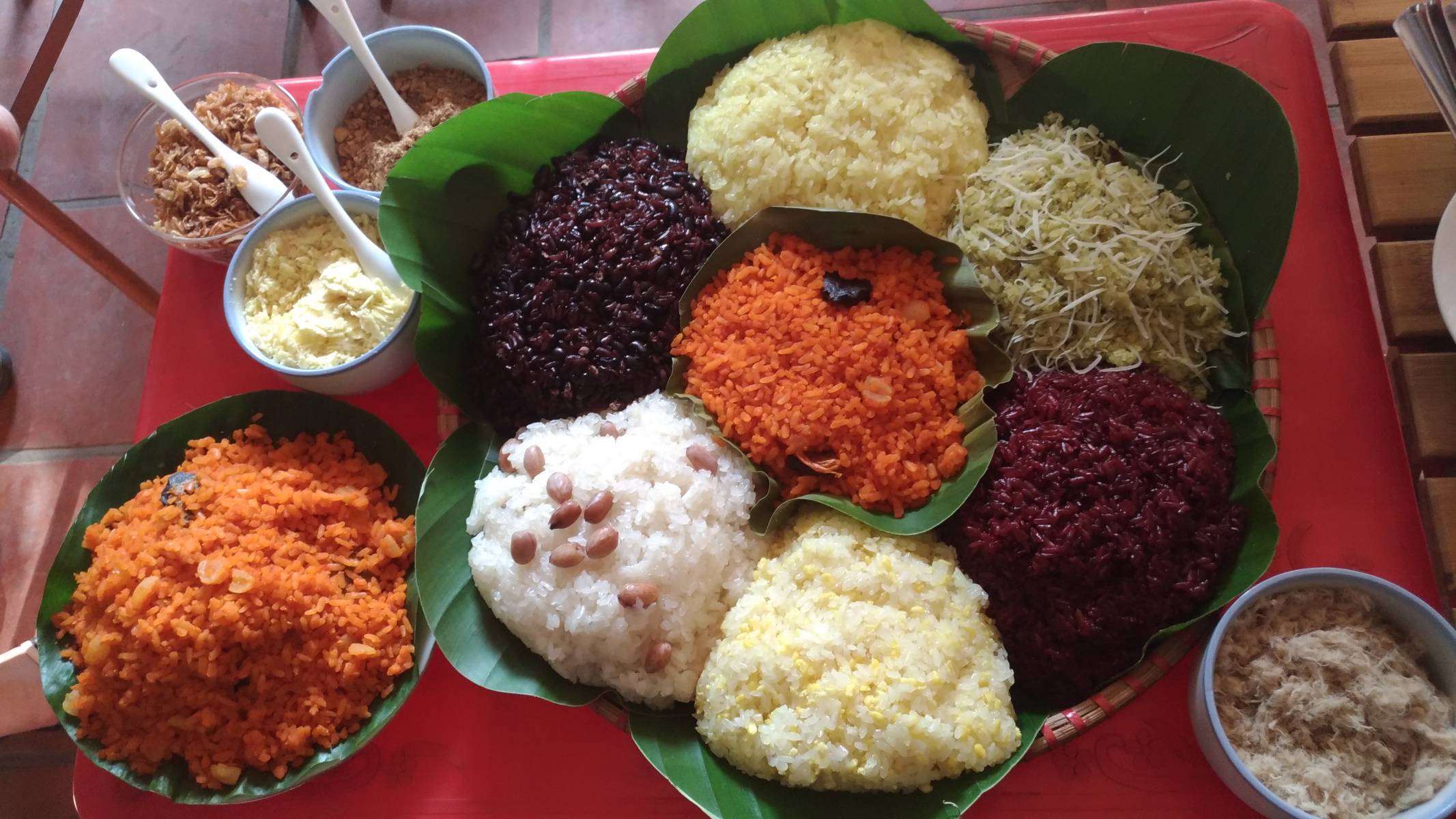
Using techniques preserved over generations, Phu Thuong has created many familiar varieties of sticky rice, including xoi xeo with mung beans and fried shallots, red gac sticky rice, colorful five-color sticky rice and sticky rice served with sweet soup. Each has its own flavor and appearance, yet all share the same fragrant, tender glutinous rice and the craftsmanship that has built the reputation of Phu Thuong sticky rice over generations.
A Special Experience in Phu Thuong Sticky Rice Village
Leaving central Hanoi for Phu Thuong gives visitors the opportunity to discover a peaceful craft village that continues to preserve its traditions amid the rhythm of modern city life. Morning is the ideal time to experience the village at its most authentic, watch local residents prepare sticky rice and enjoy freshly steamed dishes right where the tradition has been passed down for generations.
source: phuthuong.hanoi.gov.vn
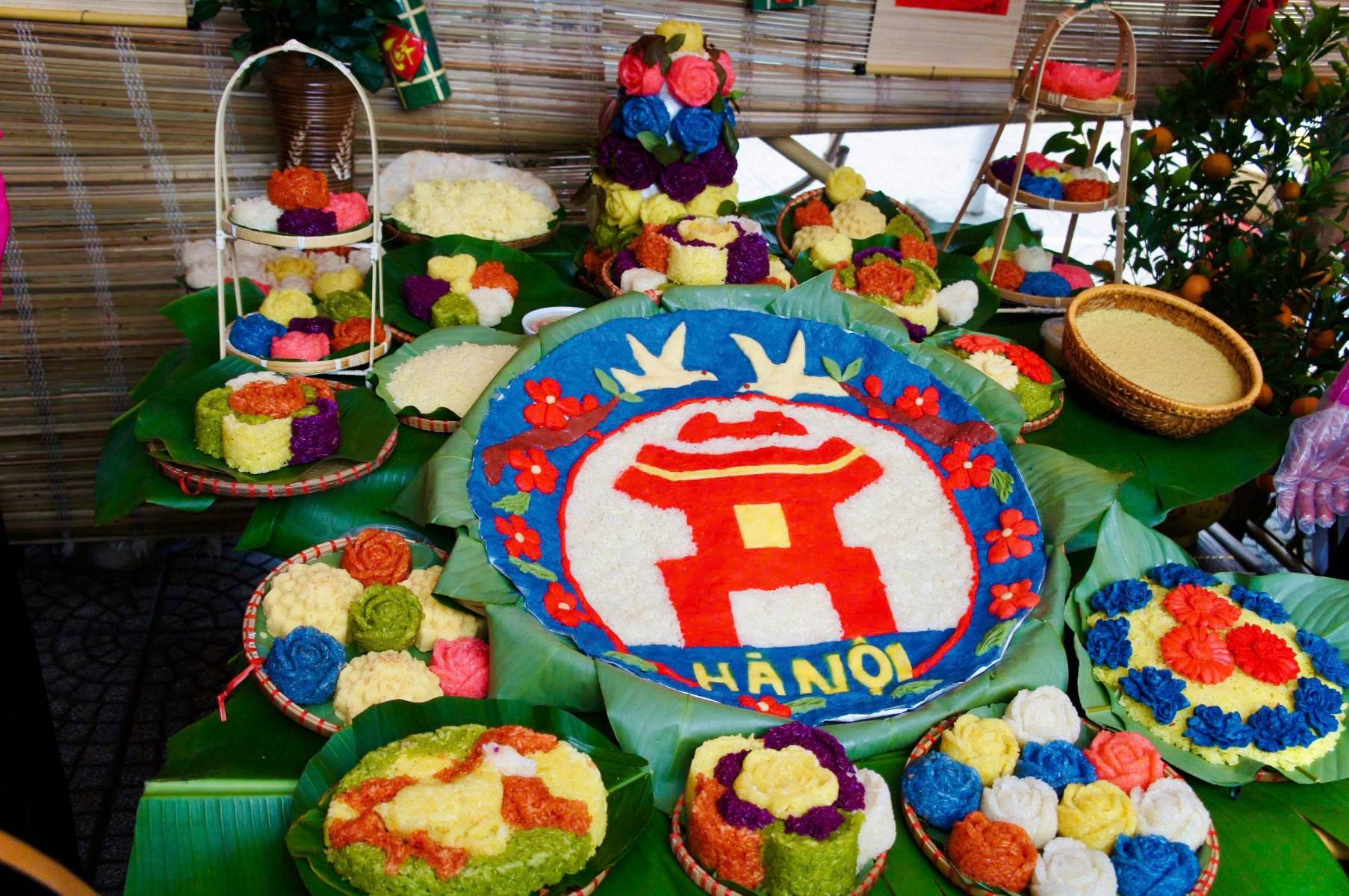
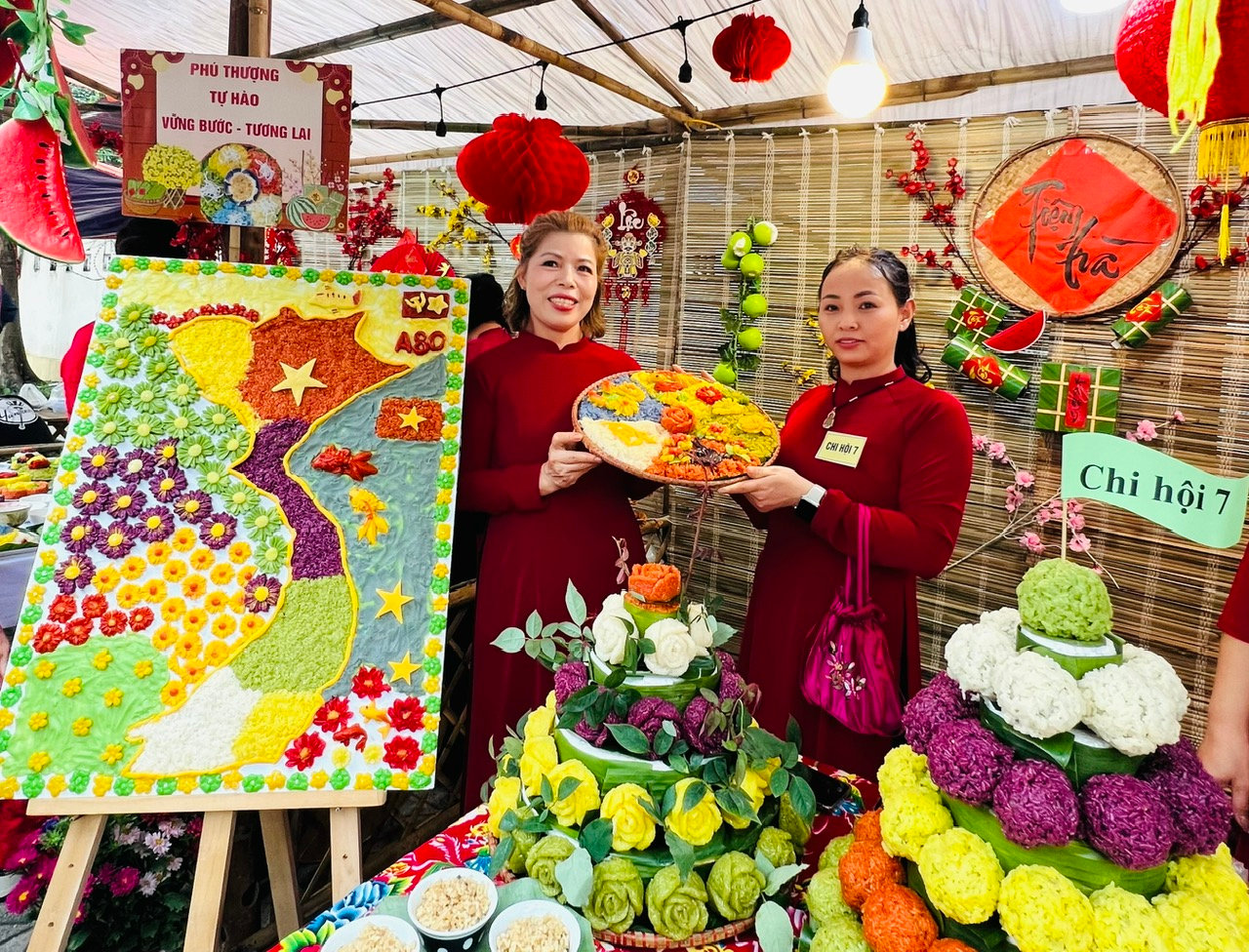
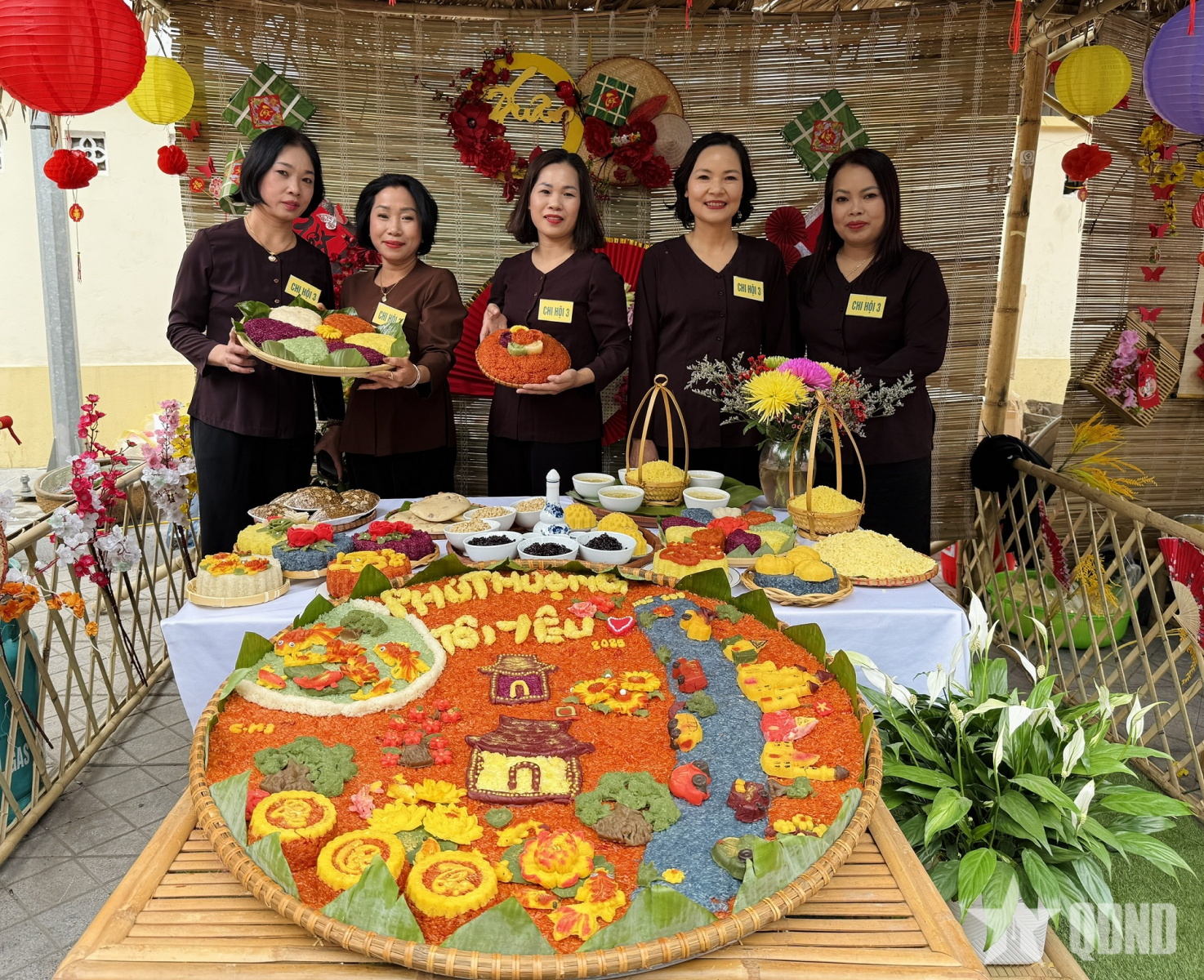
A particularly special time to visit is the eighth day of the first lunar month, when the Phu Thuong Sticky Rice Festival brings the village to life from early morning. Local residents prepare beautifully presented trays of colorful sticky rice, including gac sticky rice, mung bean sticky rice and five-color sticky rice. One of the festival’s highlights is the sticky rice cooking competition, where each stage of the process is carried out with great care, showcasing the skill and experience of local artisans.
source: hanoimoi.vn
More than simply a traditional cultural event, the festival is an occasion for residents to celebrate their pride in the craft while inviting visitors to discover the culinary heritage of the village.
source: qdhd.vn
Even outside the festival season, visitors can still explore Phu Thuong in the morning, enjoy dishes such as xoi xeo, gac sticky rice or sticky rice with sweet soup, and combine the visit with a journey around nearby West Lake. From Grand Mercure Hanoi, it is a relatively short trip that offers an authentic glimpse into one of Hanoi’s distinctive cultural traditions.
From steaming pots of sticky rice in the early morning to the lively celebrations of the Lunar New Year season, Phu Thuong continues to preserve a simple yet meaningful part of Hanoi’s cultural heritage. A visit to the village is not only an opportunity to enjoy a familiar local dish, but also a chance to discover the story of a traditional craft that has been passed down and cherished for generations.
Grand Mercure Hanoi ☆☆☆☆☆
9 Cat Linh, O Cho Dua Ward, Hanoi, 100000 Hanoi
Vietnam
Tel: +84 24 3211 5757
Fax:+84 24 3244 4747
Email:
H6936@accor.com

Follow us
Stay in touch and connected to all the news and happenings.